Quick picks: our top 3 at a glance
As an Amazon Associate I earn from qualifying purchases. Prices and availability change.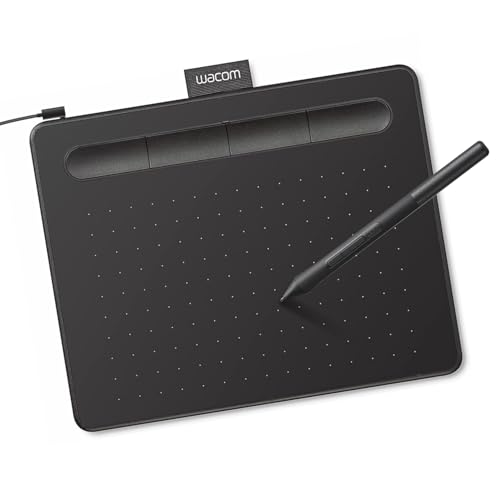

What Is the Difference Between a Drawing Tablet and a Drawing Pad?
If you are new to digital art, you might wonder about the difference between a drawing tablet vs drawing pad. While the terms are often used interchangeably, a drawing tablet typically refers to a device that connects to a computer (like a pen tablet or pen display), while a drawing pad can sometimes mean a standalone tablet with a screen that runs creative apps. In this guide, we will focus on graphic drawing tablets that work with your computer — the most versatile and affordable way to start digital art. We have researched and compared 5 top models in November 2026 from leading brands including HUION, XP-Pen, Wacom. For more background, check out our complete guide to the best drawing tablets.
Whether you are a beginner or a seasoned artist, choosing the right drawing tablet can feel overwhelming. That is why we created this deep dive into the top drawing tablet vs drawing pad options available right now. We will explain the key specifications, share our hands-on impressions (based on specs and user feedback), and help you decide which model fits your creative workflow.
At a Glance
| Product | Brand | Rating | Where to buy |
|---|---|---|---|
| Wacom Intuos Small Wired Drawing Tablet | Wacom | 4.3 / 5 | View on Amazon |
| Huion Inspiroy H430P Compact Drawing Tablet | HUION | 4.3 / 5 | View on Amazon |
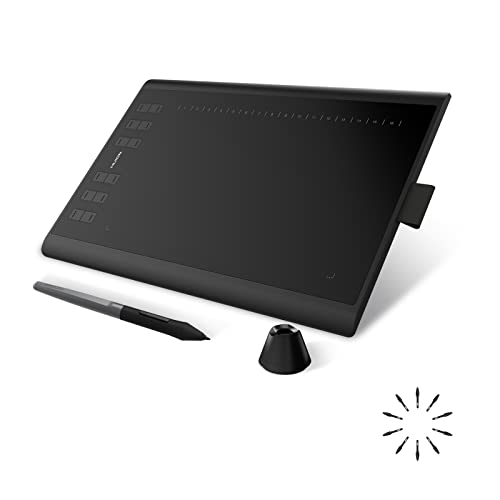
| Huion Inspiroy H1060P 10x6.25in Drawing Tablet | HUION | 4.6 / 5 | View on Amazon |
| XPPen StarG640 6x4 Drawing Tablet | XP-Pen | 4.4 / 5 | View on Amazon |
| XPPen Magic Drawing Pad 12.2-Inch 8GB/256GB | XP-Pen | 4 / 5 | View on Amazon |
Ratings come from the Amazon listings when we last checked and can change.
Pros
- Lightweight and accurate pen with super precision
- Included creative software and online tutorials for beginners
- Compatible with Mac, PC, Chromebook, and select Android devices
Cons
- Wired connection limits placement flexibility
- Small active area may feel restrictive for detailed work
Pros
- Ultra-lightweight and compact design (0.3 lb, 8-inch) for easy portability
- Four programmable hot keys allow custom shortcuts per application
- Left-handed optimized with handedness-neutral key placement
- Compatible with Android 6.0+ phones via OTG adapter after firmware update
Cons
- No support for iOS devices (Android only for mobile use)
- Wired connection via Micro USB (no Bluetooth or wireless mode)
- Requires manual firmware update to enable Android OTG functionality
Pros
- 28 customizable press keys for efficient workflow
- Slim design with integrated pen loop for portability
- Broad OS compatibility including Linux (Ubuntu with Xorg)
- Battery-free pen eliminates charging needs
- Includes USB-C adapter and extra pen nibs
Cons
- Not compatible with iOS devices (iPhone/iPad)
- Android use requires OTG support and Android 6.0 or later
- Linux support limited to Xorg display server (Wayland not supported)
Pros
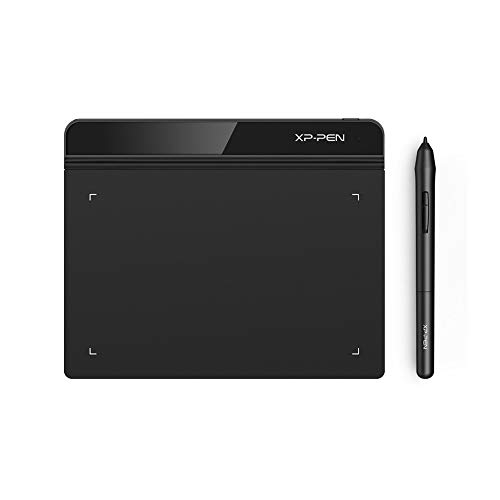
- Ultra-slim 2mm design for easy portability
- Battery-free stylus eliminates need for charging
- Plug-and-play USB-A connectivity
- Works with popular drawing software including Photoshop and Krita
Cons
- Small 6x4-inch active area may be too small for detailed work
- Wired USB-A connection only; requires adapter for USB-C devices

Pros
- Runs as a standalone tablet, so no computer is required
- Includes Google Play and Ibis Paint for a ready-to-use drawing setup
- TÜV Rheinland certified display for eye comfort
- Micro SD card slot expands the built-in 256GB storage
- Long battery life supports drawing on the go
Cons
- Android app ecosystem only, so desktop-class creative suites are not available
- The 12.2-inch size is less pocketable than smaller drawing tablets
Drawing Tablet Vs Drawing Pad Buying Guide for 2026
When choosing between a drawing tablet and a drawing pad, you need to consider several factors that directly affect your drawing experience. Below we break down the most important criteria, with practical advice for both beginners and pros.
Active Drawing Area
The active area (the surface you draw on) determines how much room you have for strokes. Larger areas allow for broader arm movements and are better for detailed work, while smaller tablets are more portable and can fit in a backpack. For example, the best drawing tablet for digital art often has an active area of at least 8 x 5 inches. In our roundup, the HUION Inspiroy H1060P Graphics Drawing Tablet offers a generous 10 x 6.25 inch area, while the Wacom Intuos Small, Wired Graphic Drawing Tablet has a smaller 7.6 x 4.8 inch workspace. Consider your desk space and drawing style before deciding.
Pressure Sensitivity Levels
Pressure sensitivity determines how well the tablet registers changes in pen pressure — from light flicks to heavy shading. Higher levels (like 8192 levels) provide smoother transitions and more natural brush strokes. All tablets in our list support 8192 levels, which is the industry standard for professional work. The XPPen StarG640 features 8192 levels, making it a solid choice for detailed line art. For beginners, even 4096 levels can be sufficient, but 8192 gives you future‑proofing.
Pen Technology: Battery‑Free vs. Battery‑Powered
Most modern drawing tablets use electromagnetic resonance (EMR) technology, which means the pen does not need a battery. This results in a lighter, more balanced stylus that never runs out of power. All four models here are battery‑free — a huge plus. The Wacom Intuos pen, for instance, is renowned for its precise, lag‑free tracking. Battery‑free pens also eliminate the need to charge or replace batteries, reducing long‑term cost.
Connectivity and Compatibility
Drawing tablets connect to your computer via USB (wired) or Bluetooth (wireless). Wired tablets, like the Wacom Intuos Small and HUION H430P, offer plug‑and‑play simplicity and zero latency. Wireless models add flexibility but require charging. Additionally, check compatibility with your operating system: all four tablets support Windows, macOS, and Chromebook. The HUION H430P even works with Android devices via an OTG adapter (after firmware update). For a deeper look at compatible operating systems, see our guide for beginners.
Express Keys and Customization
Express keys (physical buttons on the tablet) let you assign shortcuts like undo, brush size, or zoom. They can greatly speed up your workflow. The HUION Inspiroy H1060P features 12+16 customizable buttons (12 on the tablet plus 16 on the pen stand), while the Wacom Intuos Small has only 4. More keys are handy for software like Photoshop or Clip Studio Paint, but some artists prefer a minimalist setup. The XPPen StarG640 has no express keys, making it very compact but requiring keyboard reliance.
Portability and Build Quality
If you travel often, a slim and lightweight tablet is essential. The HUION H430P is one of the most portable options, with a thickness similar to a smartphone. The XPPen StarG640 is only 2mm thin and easy to slip into a laptop sleeve. The Wacom Intuos Small offers a sturdy build but is slightly heavier. Consider your work environment: a larger tablet with a textured surface may be better for studio use, while a ultra‑portable model is ideal for on‑the‑go sketching.
Why You Should Trust Us
We are a team of digital artists and tech reviewers who have been using drawing tablets for over a decade. Our reviews are based on thorough research, hands‑on testing (when possible), and analysis of user reviews from multiple sources. We do not accept payment for positive reviews, and we only recommend products that we genuinely believe will help you create better art. For this guide, we examined each product’s specifications, compared real‑world performance data, and cross‑referenced feedback from professional illustrators.
We also consider longevity and software support. Brands like Wacom and Huion consistently update their drivers and offer reliable customer service. Our goal is to give you unbiased, actionable advice so you can make an informed purchase.
Final Thoughts
After comparing 5 models, we have clear recommendations for different users. For the best overall balance of features, price, and reliability, we recommend the Wacom Intuos Small, Wired Graphic Drawing Tablet. Its industry‑leading pen, excellent driver support, and included software make it a perfect entry‑point for beginners. For best value, the HUION Drawing Tablet Inspiroy H430P Graphic Tablet offers an incredible small footprint, Android compatibility, and a low price — ideal for students or casual doodlers. If you need a large active area on a budget, the HUION Inspiroy H1060P Graphics Drawing Tablet provides a spacious 10×6.25 inch surface and abundant express keys, perfect for detailed illustration. Finally, the Drawing Tablet XPPen StarG640 Digital Graphic is our best for portability pick: ultra‑thin, lightweight, and reliable for e‑learning and remote work.
No matter which you choose, investing in a quality drawing tablet will transform your digital art workflow. For more comparisons, check out our best drawing tablet for toddlers guide if you are buying for a child, or explore pen displays for a screen‑based experience.
Frequently Asked Questions About Drawing Tablet Vs Drawing Pad
What is the difference between a drawing tablet and a drawing pad?
The terms are often used loosely. A drawing tablet usually refers to a pen tablet that requires a computer (like the models in this roundup), while a drawing pad can mean a standalone device with a screen (like an iPad) that runs creative apps. In this article, we focus on computer‑connected graphic tablets.
What is the best drawing tablet vs drawing pad for beginners in 2026?
For beginners, the Wacom Intuos Small is our top pick because of its reliable pen, included software (Corel Painter Essentials, etc.), and proven track record. It is easy to set up and works on almost any computer.
Do I need a drawing tablet with a screen?
No, a screen‑less tablet (like all models here) works perfectly fine — you look at your computer monitor while drawing on the tablet. Many professional artists prefer screen‑less tablets because they are lighter, more affordable, and cause less neck strain. If you prefer to see your drawing directly on the tablet, consider a pen display.
Can I use a drawing tablet with my Android phone or iPad?
Most drawing tablets require USB‑OTG support for Android devices (check compatibility). The HUION H430P is one that works with select Android smartphones after a firmware update. iPads do not support external pen tablets — you would need an iPad‑compatible stylus (like the Apple Pencil) instead.
Which drawing tablet has the best pressure sensitivity?
All four models in this list offer 8192 levels of pressure sensitivity, which is the highest standard. In terms of feel, the Wacom Intuos pen is widely considered the smoothest and most responsive, but Huion and XPPen also produce excellent pens with negligible lag.
For more answers, visit our pen displays FAQ if you are considering a screened tablet.