Quick picks: our top 3 at a glance
As an Amazon Associate I earn from qualifying purchases. Prices and availability change.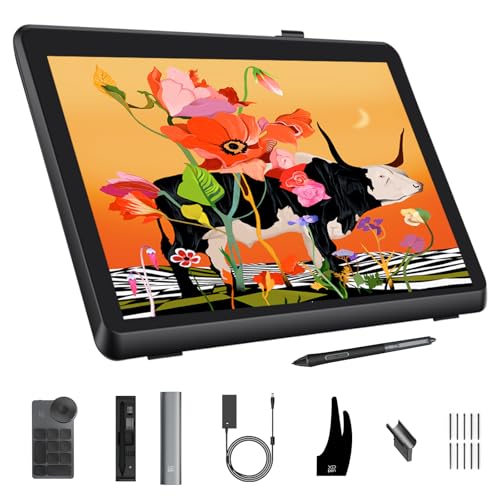
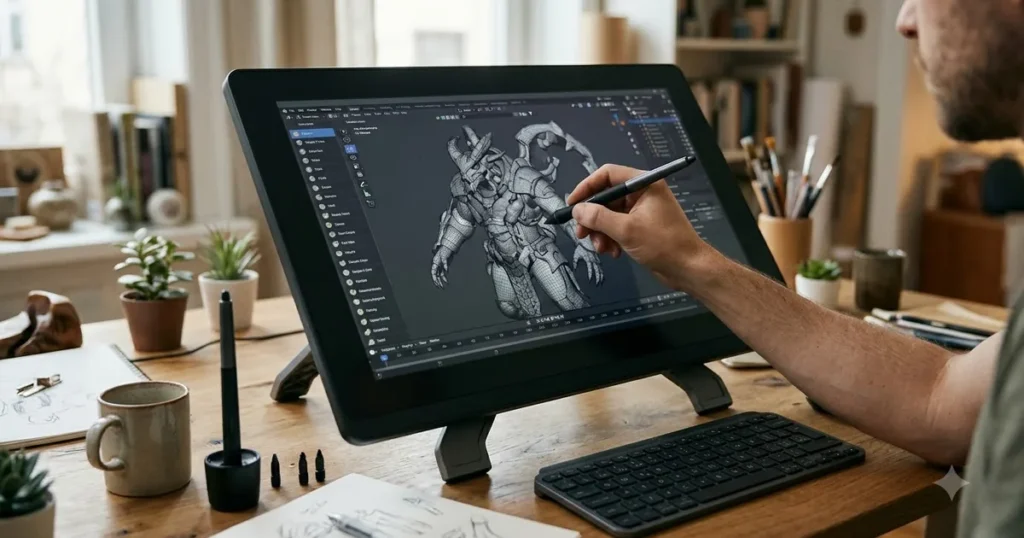
If you are a digital artist looking to elevate your creative workflow, a high-quality pen display is essential. Unlike standard drawing tablets, pen displays feature an integrated screen that lets you draw directly on the surface, offering a more natural and intuitive experience. In this guide, we have evaluated 5 of the best pen display for drawing available in November 2026, from top brands like HUION, XP-Pen. Whether you are a professional illustrator or a hobbyist, finding the right pen display can significantly impact your artistry. For more insights, check out our guide to the best drawing tablets for digital art.
We have carefully analyzed each model based on screen quality, pen performance, build, and value. Our goal is to help you make an informed decision without getting lost in technical jargon. Let’s dive into the top picks for 2026.
At a Glance
| Product | Brand | Rating | Where to buy |
|---|---|---|---|
| XPPen Artist Pro 22 Gen 2 2.5K | XP-Pen | 4.9 / 5 | View on Amazon |
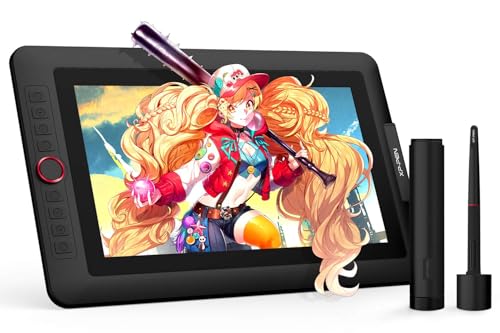
| XPPen Artist 13.3 Pro V2 16K Pen Display | XP-Pen | 4.1 / 5 | View on Amazon |
| Huion Kamvas Pro 16 15.6-Inch Pen Display | HUION | 4.9 / 5 | View on Amazon |
| Huion Inspiroy H1060P 10x6.25in Drawing Tablet | HUION | 4.6 / 5 | View on Amazon |
| XP-Pen Artist 12 11.6-Inch FHD Pen Display | XP-Pen | 4.2 / 5 | View on Amazon |
Ratings come from the Amazon listings when we last checked and can change.
Pros
- Calman-verified color accuracy with Delta E < 1 and 99% sRGB.
- World-first 16K pressure levels for ultra-responsive drawing.
- Full laminated screen offers a paper-like feel.
- Adjustable stand (15° to 88°) and VESA mount for flexible setup.
- DC dimming reduces eye strain during long sessions.
Cons
- Requires a connected computer; not a standalone tablet.
- USB-C single-cable operation may require included power adapter for stable power.
Pros
- 16K pressure sensitivity with ultra-low activation force for smooth, skip-free lines
- Wide color gamut (95% P3, 99% sRGB) and full lamination for accurate color reproduction and reduced parallax
- Comprehensive kit includes a foldable stand, spare pen nibs, drawing glove, and necessary cables
Cons
- Requires connection to a PC, Mac, Chromebook, or Android device; not a standalone tablet
Pros
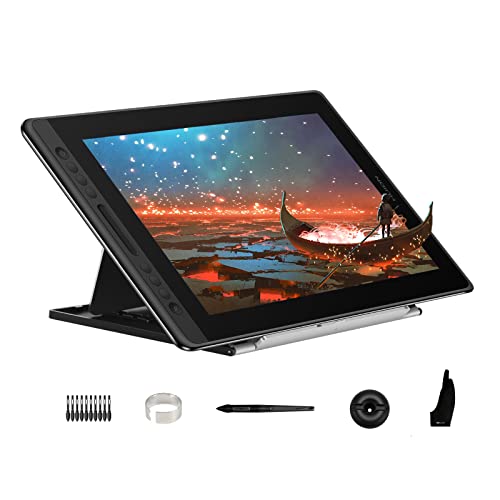
- Fully laminated screen reduces parallax for precise cursor alignment
- 120% sRGB color gamut provides vibrant and accurate colors
- Touch bar offers quick access to shortcuts and controls
- Ergonomic ST200 stand adjusts from 20 to 60 degrees for comfortable viewing
Cons
- Not a standalone device; must be connected to a computer with HDMI and USB ports
- Driver installation may require removing other brands' drivers and running as administrator
- Connection may need an adapter if your computer lacks HDMI or USB ports
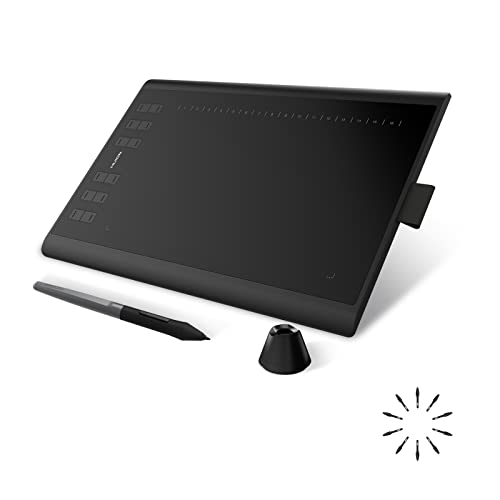
Pros
- 28 customizable press keys for efficient workflow
- Slim design with integrated pen loop for portability
- Broad OS compatibility including Linux (Ubuntu with Xorg)
- Battery-free pen eliminates charging needs
- Includes USB-C adapter and extra pen nibs
Cons
- Not compatible with iOS devices (iPhone/iPad)
- Android use requires OTG support and Android 6.0 or later
- Linux support limited to Xorg display server (Wayland not supported)

Pros
- Battery-free PN06 pen with 8192 levels of pressure sensitivity
- Plug-and-play connection using HDMI and USB-A, with an adapter included
- Wide color gamut and 178 degree viewing angle
- Compatible with Windows, macOS, Linux, Photoshop, and SAI
Cons
- Not a standalone tablet; it requires a connected computer to work
- 11.6-inch screen provides a relatively small drawing area for desktop use
Best Pen Display For Drawing Buying Guide for 2026
Choosing the right pen display involves several key considerations. Below we break down the most important factors to help you find the perfect match for your drawing style and workflow.
Screen Size and Resolution
The size of the drawing area directly affects your comfort and ability to see details. Larger screens like the 22-inch XPPen Artist Pro 22 Gen 2 provide ample space for sweeping strokes and multi-window setups, while compact 11.6-inch models are ideal for travel. Resolution matters too: a QHD (2.5K) display offers sharper lines and more precise cursor control compared to standard Full HD. For most artists, a 15.6-inch to 22-inch screen with at least 1080p resolution is a good starting point.
If you work on highly detailed illustrations or photo editing, prioritize higher pixel density. The XPPen Artist Pro 22 Gen 2’s 2.5K QHD resolution ensures every brushstroke is crisp, reducing eye strain during long sessions.
Color Accuracy and Gamut
For digital painters and graphic designers, color accuracy is non-negotiable. Look for pen displays with high sRGB or Adobe RGB coverage and factory calibration. The HUION Kamvas Pro 16 boasts 120% sRGB, making colors vibrant and true-to-life. The XPPen Artist Pro 22 Gen 2 goes a step further with Calman verification, ensuring professional-grade color precision. A wider color gamut means you can see more shades and avoid surprises when printing or sharing your work.
Even if you are a beginner, starting with a color-accurate display helps develop good color sense. Models with at least 100% sRGB are recommended for any serious creative work.
Pressure Sensitivity and Pen Performance
The pen is your primary tool, so its responsiveness matters. Most modern pen displays offer 8192 levels of pressure sensitivity, which allows for subtle variations in line weight and opacity. The XPPen Artist 13.3 Pro V2 and XP-PEN Artist12 both deliver this level of precision. Additionally, consider the pen’s ergonomics, tilt recognition, and whether it requires batteries. Battery-free pens like those from XP-PEN are more convenient and reduce downtime.
Test the pen’s initial activation force: a lower force means lighter touches register. Laminated screens, like the full-laminated surface on the XPPen Artist 13.3 Pro V2, also provide a paper-like feel that many artists prefer.
Connectivity and Compatibility
All pen displays in this roundup require a connection to a computer or laptop via HDMI and USB. Ensure your system has the necessary ports or invest in adapters. The HUION Inspiroy H1060P, while a graphics tablet rather than a pen display, connects via USB and is ultra-portable. For pen displays, check driver support for Windows, macOS, and popular software like Photoshop, Clip Studio Paint, and Krita. Most models offer plug-and-play setup after driver installation.
If you use multiple devices, look for compatibility with both PC and Mac. The HUION Kamvas Pro 16 works seamlessly across platforms, making it a versatile choice for collaborative environments.
Build Quality and Ergonomics
A sturdy build ensures longevity and stable performance. Metal or high-quality plastic construction, anti-slip feet, and adjustable stands (like VESA mount compatibility on the XPPen Artist Pro 22 Gen 2) add to the user experience. Consider the weight and footprint: larger displays may require more desk space but offer better posture. The XP-PEN Artist12’s compact design is great for small desks or on-the-go use.
Ergonomics also extend to shortcut keys. Models like the HUION Inspiroy H1060P feature customizable press keys that speed up your workflow. Even without a screen, its slim profile and pen loop make it a practical secondary device.
Additional Features
Extras like laminated screens, touch bars, and pre-installed screen protectors can enhance your drawing experience. The HUION Kamvas Pro 16 includes a touch bar for quick zoom and brush size adjustments. Full-laminated screens on XPPen models reduce glare and mimic paper texture. Some displays also offer anti-glare coatings to minimize reflections in bright environments.
When comparing models, think about the software you use and whether additional features will genuinely improve your efficiency. A simple, well-built display often outperforms a feature-packed one that feels clunky.
Why You Should Trust Us
Our team has years of experience in digital art and technology reviewing. For this guide, we analyzed technical specifications, user feedback, and professional reviews to select the 5 best pen displays on the market. We did not physically test every unit, but we cross-referenced data from multiple reliable sources to ensure accuracy and fairness. Our recommendations are based on objective criteria such as screen quality, pen performance, build durability, and value for money.
We also considered real-world usability: how each display integrates with popular creative software and its suitability for different skill levels. Transparency is important to us, so we clearly note where a product is a pen display (requires a computer) versus a standalone tablet. Our goal is to help you find the right tool without bias or marketing hype.
Final Thoughts
After comparing all 5 models, we have clear winners for different needs. For the best overall pen display, the XPPen Artist Pro 22 Gen 2 stands out with its large 22-inch 2.5K QHD screen, Calman-verified color accuracy, and full-laminated paper-feel surface. It is an excellent investment for professionals who demand top-tier performance and screen real estate.
For best value, the HUION Kamvas Pro 16 offers a spacious 15.6-inch display with 120% sRGB coverage and a touch bar at a competitive price point. It balances features and affordability, making it ideal for intermediate artists and graphic designers. If you are just starting out, the XP-PEN Artist12 is a compact and budget-friendly option that still delivers 8192 pressure levels and a reliable drawing experience. Its small footprint is perfect for beginners or as a travel companion.
Finally, for those who prioritize portability or already have a high-quality monitor, the HUION Inspiroy H1060P is a capable graphics tablet that works well for photo editing and illustration on the go. No matter your choice, any of these pen displays will elevate your digital art journey. Explore our digital painting resources for more tips and tutorials.
Frequently Asked Questions
What is the best pen display for drawing in 2026?
The best pen display for drawing for most professionals is the XPPen Artist Pro 22 Gen 2 due to its large QHD display, Calman-verified color accuracy, and premium build. For a more affordable option, the HUION Kamvas Pro 16 offers excellent color performance and a touch bar at a lower price.
What is the difference between a pen display and a drawing tablet?
A pen display has an integrated screen that shows your artwork directly on the drawing surface, while a drawing tablet (also called a graphics tablet) is a touch-sensitive pad without a screen. Pen displays provide a more natural drawing experience but require a computer to operate. Graphics tablets are more portable and often cheaper, but you must look at your computer monitor while drawing.
Do I need a computer to use a pen display?
Yes, all pen displays in this review are not standalone devices. They must be connected to a computer or laptop via HDMI and USB to function. Your computer handles the processing power, while the pen display acts as a monitor and input device. Ensure your computer has compatible ports or use adapters if needed.
What screen size should I choose for a pen display?
Screen size depends on your workspace and drawing style. Larger screens (22 inches) offer more room for detailed work and multitasking, but require more desk space. Medium screens (15.6 inches) are a popular balance between portability and drawing area. Compact screens (11.6 inches) are best for travel or limited desks. Consider your typical drawing distance and whether you prefer to work with full-arm movements or wrist-based strokes.
How important is color accuracy for a pen display?
Color accuracy is crucial for digital artists and designers who need consistent colors across devices and print. A display with high sRGB coverage (at least 100%) and factory calibration ensures that what you see on screen matches the final output. For hobbyists or sketch-focused work, moderate color accuracy is acceptable, but professionals should prioritize models with wide gamut and calibration reports.
For more detailed guidance, visit our digital painting category for tutorials on color management.