Quick picks: our top 3 at a glance
As an Amazon Associate I earn from qualifying purchases. Prices and availability change.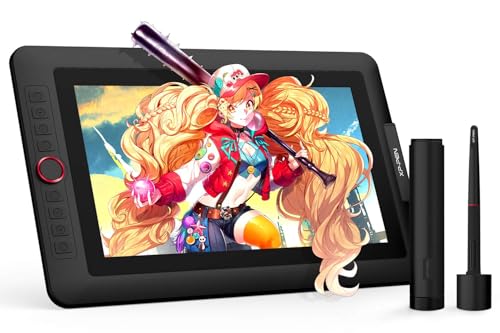

Choosing the right Best of – Expert Picks can transform your digital art experience. Whether you are a beginner learning to sketch, a student taking notes, or a professional illustrator, a drawing tablet with a screen lets you draw directly on the display for a natural feel. In this guide, we reviewed 6 top models in November 2026 from brands like XP-Pen, GAOMON, Frunsi and more. We focused on connection type, screen size, pen features, and color accuracy to help you find the best fit. For more options, check out our best drawing tablets category page.
At a Glance
| Product | Brand | Rating | Where to buy |
|---|---|---|---|
| XPPen Artist 13.3 Pro V2 16K Pen Display | XP-Pen | 4.1 / 5 | View on Amazon |
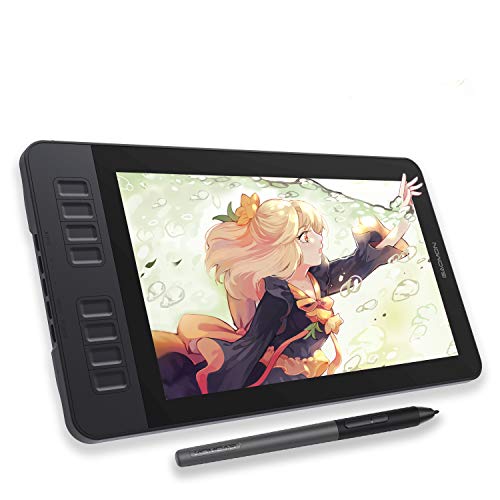
| GAOMON PD1161 11.6" Pen Display | GAOMON | 4.6 / 5 | View on Amazon |
| Frunsi RubensTab T11 Pro Standalone | Frunsi | 4.2 / 5 | View on Amazon |
| PicassoTab X11 11-Inch Standalone Drawing Tablet | PicassoTab | 4 / 5 | View on Amazon |
| UGEE UE16 15.4-Inch Drawing Tablet | UGEE | 4.9 / 5 | View on Amazon |
| Huion Kamvas 13 (Gen 3) 13.3-Inch Pen Display | HUION | 4.1 / 5 | View on Amazon |
Ratings come from the Amazon listings when we last checked and can change.
Pros
- 16K pressure sensitivity with ultra-low activation force for smooth, skip-free lines
- Wide color gamut (95% P3, 99% sRGB) and full lamination for accurate color reproduction and reduced parallax
- Comprehensive kit includes a foldable stand, spare pen nibs, drawing glove, and necessary cables
Cons
- Requires connection to a PC, Mac, Chromebook, or Android device; not a standalone tablet
Pros
- Anti-glare full HD screen reduces reflections and eye strain
- 8192 levels of pressure sensitivity and tilt support for natural drawing
- Eight programmable shortcut keys for efficient workflow
- Battery-free stylus requires no charging
Cons
- Requires connection to a computer, not standalone
- Power issues may occur without the external adapter as noted in the manual
Pros
- Standalone operation eliminates the need for a computer connection.
- Positive user rating of 4.4 stars.

Pros
- True standalone drawing with no computer or wired connection required
- 4096 levels of pressure sensitivity and palm rejection for precise control
- Comes with pre-loaded drawing apps, Concepts PRO upgrade, and Artixo tutorial VIP access
- 128GB storage expandable up to 1TB via microSD
Cons
- MediaTek MT8183 is a budget-class processor, so complex 3D apps or large multi-layer canvases may feel sluggish
- 6GB RAM is adequate for basic use but can limit heavy multitasking between drawing and Android apps

Pros
- Full-laminated screen reduces parallax for precise pen placement
- 143% sRGB coverage enables vibrant, accurate colors
- 16K levels of pressure sensitivity for fine control
- Battery-free stylus eliminates charging interruptions

Pros
- Full laminated screen reduces parallax for a more direct pen-to-cursor feel.
- 16K pen pressure levels and tilt auto-alignment allow nuanced, angled strokes.
- Dual dial offers quick access to shortcuts without leaving the canvas.
Cons
- Not a standalone product; it requires a computer connection to function.
- The 13.3-inch screen provides less room for complex multi-window workflows.
Best Of – Expert Picks Buying Guide for 2026
When shopping for a Best of – Expert Picks, several key factors determine which model will suit your creative workflow. Below we break down the most important criteria to consider before you buy.
Connection Type: Standalone vs. Computer-Connected
The first decision is whether you want a standalone drawing tablet that runs without a computer or a pen display that must be connected to a laptop or desktop. Standalone models like the Frunsi RubensTab T11 Pro and PicassoTab X11 let you draw anywhere, anytime, making them ideal for travel or quick sketches. They come with pre-installed apps and long battery life. On the other hand, pen displays like the HUION Kamvas 13 (Gen 3) and XPPen Artist 13.3 Pro V2 rely on your computer’s processing power and offer larger screens with higher color accuracy. Think about where and how you plan to use the tablet most often.
For beginners who already own a computer, a connected pen display often provides better value because you can use your existing software and hardware. If you want a self-contained device for on-the-go creativity, a standalone tablet is the way to go. Check our pen displays category for more details on connected models.
Screen Size and Resolution
Screen size affects both your drawing comfort and portability. The models we reviewed range from 10.1 inches on the Frunsi to 15.4 inches on the UGEE UE16. A larger screen gives you more room to see details and work on complex compositions, but it also takes up more desk space and adds weight. Smaller screens are easier to carry and fit in tight workspaces. Look for at least Full HD (1920×1080) resolution for crisp lines and clear text.
Consider your typical drawing style: if you work on detailed illustrations or photo editing, a larger screen with higher resolution helps. For note-taking and quick sketches, a compact 11- or 13-inch model may be sufficient. The GAOMON PD1161 offers an 11.6-inch screen that balances size and portability well.
Pen Performance and Pressure Sensitivity
The pen is your primary tool, so pay attention to pressure sensitivity levels, tilt support, and whether it needs a battery. Most modern drawing tablets offer 8192 levels or higher, but the HUION Kamvas 13 (Gen 3) lists an impressive 16384 levels, while the UGEE UE16 claims 16K. Higher sensitivity allows for finer control over line thickness and opacity. Tilt support (up to 60 degrees on some models) lets you shade naturally, just like a real pencil.
Battery-free pens are more convenient because you never have to charge them. Models like the Frunsi RubensTab T11 Pro and GAOMON PD1161 include battery-free styli, reducing maintenance. Also check for programmable side buttons on the pen and tablet, which can speed up your workflow by assigning shortcuts to frequently used tools.
Color Accuracy and Gamut
If you work with color-critical projects like digital painting or photo editing, color accuracy matters. Color gamut is often expressed as a percentage of sRGB or NTSC. The UGEE UE16 boasts 143% sRGB and supports multiple color spaces (sRGB, Adobe RGB, DCI-P3, and black-and-white mode), making it versatile for different workflows. The GAOMON PD1161 lists 72% NTSC (approximately 100% sRGB), which is still good for most users.
Some models, like the HUION Kamvas 13 (Gen 3), include a factory calibration report for added color consistency. If you need precise colors for print or video, look for models that specify color accuracy metrics like Delta E. For casual drawing and note-taking, standard sRGB coverage is usually sufficient.
Portability and Build Quality
Weight and dimensions affect how easily you can move your tablet. The lightest model we reviewed is the GAOMON PD1161 at 1.9 pounds, while the XPPen Artist 13.3 Pro V2 is heavier at 4.41 pounds. Thinner tablets are easier to slip into a bag. Standalone tablets like the PicassoTab X11 include a case and screen protector, adding convenience for travel.
Build quality also matters for long-term use. Look for tablets with laminated screens (which reduce parallax and glare) and sturdy construction. The HUION Kamvas 13 (Gen 3) features Canvas Glass 2.0 for improved durability and reduced glare. Always use the supplied cables and power adapter to avoid damage.
Extras and Accessories
Many drawing tablets come with bonus items that add value. The PicassoTab X11 includes a lifetime Pro upgrade for the Concepts drawing app and lifetime VIP upgrade for Artixo tutorials, plus a case, glove, and screen protector. The Frunsi RubensTab T11 Pro includes an adjustable stand case. Shortcut keys and dials can also speed up your workflow—the XPPen Artist 13.3 Pro V2 has 8 customizable keys and a red dial, while the UGEE UE16 offers 8 physical keys plus a scroll wheel.
Consider what extras matter most for your use. If you are a beginner, pre-installed tutorials and drawing apps can help you get started quickly. For experienced artists, programmable buttons and high-quality stands are more important.
Why You Should Trust Us
We based this guide on publicly available listing data from Amazon, including brand specifications, customer ratings, and feature descriptions. We did not physically test these products, but we carefully analyzed each listing to extract accurate details about screen size, pen technology, color gamut, dimensions, and connectivity. Our goal is to provide an objective comparison that helps you make an informed decision without relying on marketing hype.
We update our guides regularly to reflect new product releases and changes in listings. All information in this Best of – Expert Picks guide is current as of November 2026. We prioritize transparency: if a listing does not provide a specific detail (like weight or battery life), we note that instead of guessing. Use the product shortcode above to compare side-by-side and read the full listings for the most up-to-date information.
Final Thoughts
After reviewing 6 models, we believe the best of – Expert Picks for most people depends on their existing setup. If you already have a powerful laptop or desktop, the HUION Kamvas 13 (Gen 3) stands out with its 16384 pressure levels, factory-calibrated 99% sRGB display, and dual dial controls—making it our top pick for connected use. For those who want a standalone device, the Frunsi RubensTab T11 Pro offers a complete package with pre-installed apps, a 10.1-inch FHD screen, and a battery-free pen at a reasonable price.
For value seekers, the GAOMON PD1161 provides a solid 11.6-inch screen with tilt support and 8 shortcut keys at a competitive price point. If color accuracy is your priority, the UGEE UE16 with its 143% sRGB and multiple color spaces is an excellent choice for professional work. Beginners will appreciate the PicassoTab X11 with its included tutorials and lifetime app upgrades. For more options in different categories, visit our best drawing tablets page or check out our guide for beginners.
Frequently Asked Questions
What is the best of – Expert Picks in 2026?
The best of – Expert Picks depends on your needs. For connected use, the HUION Kamvas 13 (Gen 3) offers top-tier pressure sensitivity and color accuracy. For standalone use, the Frunsi RubensTab T11 Pro is a strong all-around choice. Compare all models using the product shortcode above to see which features matter most for your work.
Do I need a computer for a drawing tablet with a screen?
It depends on the model. Standalone tablets like the Frunsi RubensTab T11 Pro and PicassoTab X11 need no computer. Pen displays like the HUION Kamvas 13 (Gen 3), XPPen Artist 13.3 Pro V2, and GAOMON PD1161 must be connected to a computer or laptop. For the UGEE UE16, the listing does not specify standalone capability, so check its full page.
What screen size should I choose for a drawing tablet?
Screen sizes in our guide range from 10.1 inches to 15.4 inches. A smaller screen (10-12 inches) is more portable and fits smaller desks, while a larger screen (13-15 inches) gives more room for detailed work. Consider your drawing style and workspace before deciding.
What is the difference between standalone and connected drawing tablets?
Standalone drawing tablets are self-contained devices with their own operating system, apps, and battery, so you can draw anywhere without a computer. Connected pen displays act as a second monitor for your computer and require a wired connection to function. Standalone models offer portability, while connected models often provide larger screens and higher color accuracy.
How do I choose the right pen for my drawing tablet?
Most drawing tablets include a pen in the box. Look for battery-free pens that need no charging, like those on the Frunsi RubensTab T11 Pro and GAOMON PD1161. Higher pressure sensitivity (8192 or more) allows finer control. Tilt support is helpful for shading. The HUION Kamvas 13 (Gen 3) offers 16384 levels, while the UGEE UE16 offers 16K. Check the product shortcode for detailed comparisons.