Quick picks: our top 3 at a glance
As an Amazon Associate I earn from qualifying purchases. Prices and availability change.

Choosing between a Wacom tablet and an iPad Pro for digital art is one of the most common dilemmas for creatives in 2026. Both offer unique advantages, but the right choice depends on your workflow, software preferences, and whether you need a standalone device or a professional pen tablet. In this wacom tablet vs ipad pro comparison, we break down 6 top Wacom models against the iPad Pro to help you decide which drawing tablet suits your creative needs. For more guidance, check out our best drawing tablets category.
We evaluated these options based on pen technology, operating system, portability, and overall value for artists. Whether you are a professional illustrator, a hobbyist, or a student, this guide will clarify the key differences between Wacom’s dedicated drawing tablets and Apple’s versatile iPad Pro.
At a Glance
| Product | Brand | Rating | Where to buy |
|---|---|---|---|
| Wacom MovinkPad 11 (11-inch) | Wacom | 4.1 / 5 | View on Amazon |
| Wacom Intuos Pro Medium Bluetooth | Wacom | 4.4 / 5 | View on Amazon |
| Wacom Intuos Pro Large Bluetooth Tablet | Wacom | 4.2 / 5 | View on Amazon |
| Wacom One 14 FHD IPS Laminated Drawing Tablet | Wacom | 4 / 5 | View on Amazon |
| Wacom MovinkPad Pro 14 Android Tablet with Pro Pen | Wacom | 4.2 / 5 | View on Amazon |
| Wacom Intuos Pro Small with ProPen 3 | Wacom | 4.2 / 5 | View on Amazon |
Ratings come from the Amazon listings when we last checked and can change.
Pros
- Battery-free Pro Pen 3 with 8,192 levels of pressure sensitivity and ±60° tilt recognition for natural input.
- Precision etched glass surface provides a paper-like feel, reduces glare, and resists fingerprints.
- Ultra-portable at 1.3 pounds with a 7,700 mAh battery for all-day use without a computer.
Cons
- LCD display lacks the contrast and color accuracy of OLED panels found on premium models.
- MediaTek processor and 8GB RAM may not handle the most demanding creative workflows.
- Not compatible with Windows ARM-based systems or Intel Macs.
Pros
- Highly customizable Pro Pen 3 with adjustable grip, weight, and nib options
- Mechanical dial and dedicated ExpressKeys for efficient shortcuts
- Durable magnesium alloy back case for portability
- Bluetooth connectivity to up to three devices
- Battery-free pen eliminates charging downtime
Cons
- No built-in display, requiring hand-eye coordination for drawing
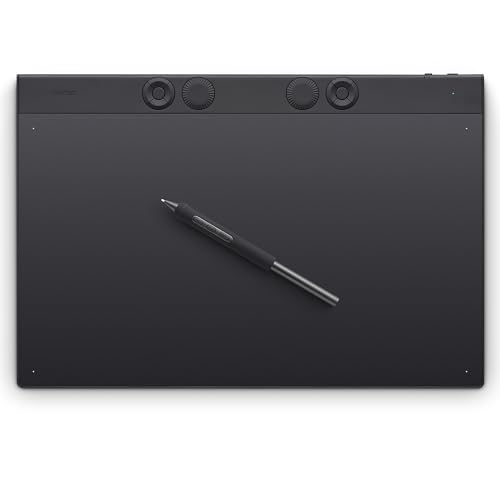
Pros
- Battery-free Pro Pen 3 with adjustable grip, width, weight, multiple nibs, and three programmable buttons
- Mechanical dial and ExpressKeys are positioned for right or left handed use and support common creative shortcuts
- Bluetooth pairing with up to three devices plus USB connection with adapter
- Lightweight magnesium alloy back case designed for durability and portability
- Works with major creative software including Adobe apps, ZBrush, After Effects, and Maya
Cons
- Requires a separate computer display, so there is no built-in screen
- Large format takes up more desk space than smaller Intuos models
Pros
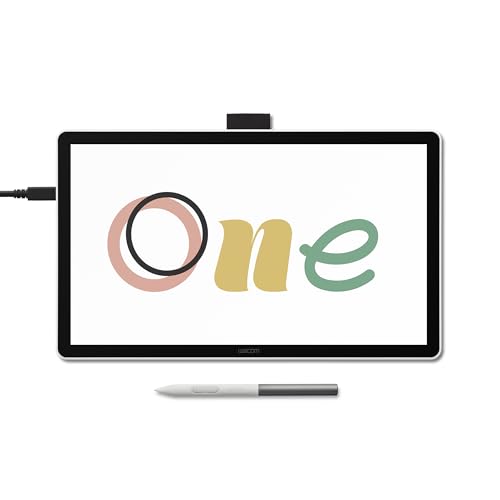
- Factory-calibrated 98% sRGB display for true-to-life colors
- Battery-free pen with comfortable ergonomic design and consistent pressure response
- Compact design with thin bezels and tidy single-cable connection (requires USB-C DP Alt Mode)
Cons
- Requires a USB-C port with DisplayPort Alt Mode for single-cable use; otherwise additional adapter needed
- No programmable buttons on the tablet itself (only the pen has a single button)

Pros
- All-in-one design with Android 15 and included creative apps, no computer required
- Powerful Snapdragon 8s Gen 3 processor with 12GB RAM for smooth performance
- Stunning 14-inch OLED display with 3K resolution and 100% sRGB/DCI-P3 color gamut
- Premium Texture etched glass provides a paper-like feel with minimal parallax
- Pro Pen 3 offers 8,192 pressure levels and never needs charging
Cons
- Does not support Windows ARM-based systems or Intel Macs
- Limited to Android ecosystem, which may not suit all professional workflows
- Only one color option available (Light Gray)
Pros
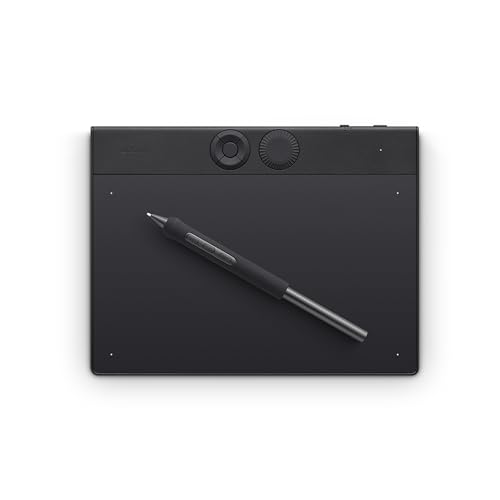
- Pro Pen 3 offers 8192 pressure levels, tilt support, and customizable grip for precision and comfort
- Five ExpressKeys and a mechanical dial enable efficient shortcuts and increased productivity
- Wireless Bluetooth and slim magnesium design provide portability and durability
Cons
- Small active area (215 x 163 mm) may feel cramped for users accustomed to larger tablets
- No built-in display requires looking at a separate monitor, typical for pen tablets
Quick Verdict
- Pick Wacom MovinkPad 11, Android Mobile Drawing Tablet if you want a standalone Android tablet with the most advanced Wacom pen technology for sketching and design on the go.
- Pick Wacom Intuos Pro Medium, Bluetooth Graphic Drawing if you need a compact, professional pen tablet for your existing computer and prefer a medium-sized drawing area.
- Pick Wacom Intuos Pro Large, Bluetooth Graphic Drawing if you require a larger drawing surface for detailed work and already have a computer setup.
- Pick Wacom One 14, Drawing Tablet with IPS Full HD if you are a casual artist or beginner looking for an affordable screen-based tablet to start your digital art journey.
- Consider the iPad Pro if you prefer a versatile tablet that runs iOS apps, offers a high-resolution display, and can double as a laptop, but be aware of its higher cost and different pen feel.
Wacom Tablet Vs Ipad Pro Key Differences
Operating System and Standalone Use
The most fundamental difference between Wacom tablets and the iPad Pro is the operating system. Wacom’s MovinkPad 11 runs Android, offering a mobile-centric experience with access to Android drawing apps. The Intuos Pro models and Wacom One are not standalone; they require a connection to a computer (Windows or Mac) to function. The iPad Pro runs iOS, which has a rich ecosystem of creative apps like Procreate and Adobe Fresco. If you need a device that works independently, the MovinkPad 11 or iPad Pro are your choices.
Pen Technology and Feel
Wacom is renowned for its pen technology. The Pro Pen 3, included with the MovinkPad 11 and Intuos Pro models, offers exceptional precision, tilt recognition, and virtually lag-free performance. The Wacom One uses a different pen that is still responsive but more basic. The iPad Pro uses the Apple Pencil, which is also excellent but has a different feel and requires a separate purchase. For artists who prioritize pen feel and accuracy, Wacom’s Pro Pen 3 is often preferred.
Screen and Display Quality
Among the Wacom options, only the MovinkPad 11 and Wacom One 14 have built-in screens. The MovinkPad 11 features an 11-inch display, while the Wacom One 14 offers a 14-inch IPS Full HD laminated screen that reduces glare. The Intuos Pro models have no screen; you draw while looking at your computer monitor. The iPad Pro boasts a high-resolution, color-accurate display with excellent brightness. If drawing directly on a screen is important, the Wacom One 14 and iPad Pro are strong contenders.
Portability and Form Factor
Portability varies significantly. The MovinkPad 11 is a lightweight Android tablet that can be used anywhere. The Intuos Pro models are compact and easy to carry but require a computer. The Wacom One 14 is larger and less portable but still manageable. The iPad Pro is highly portable and versatile, functioning as a tablet, laptop, and drawing device. For artists on the go, the MovinkPad 11 and iPad Pro are the most convenient.
Software and App Ecosystem
Software compatibility is a critical factor. Wacom tablets that connect to a computer work with any software on your PC or Mac, including Photoshop, Illustrator, Clip Studio Paint, and more. The MovinkPad 11 uses Android apps, which are improving but may lack some desktop-grade features. The iPad Pro runs iOS versions of popular apps, but some desktop features are missing. If you rely on specific professional software, a computer-connected Wacom or the iPad Pro may be better.
Target Audience and Use Case
Wacom tablets are designed specifically for digital art, with a focus on pen input and creative workflows. The iPad Pro is a general-purpose device that excels in art but also serves as a productivity tool. Beginners may find the Wacom One 14 more approachable and affordable, while professionals might prefer the Intuos Pro series for its precision. The iPad Pro appeals to those who want an all-in-one device for art, work, and entertainment.
| Feature | Wacom MovinkPad 11 | Wacom Intuos Pro Medium | Wacom Intuos Pro Large | Wacom One 14 | iPad Pro |
|---|---|---|---|---|---|
| Type | Standalone Android tablet | Pen tablet (no screen) | Pen tablet (no screen) | Drawing display with screen | Standalone tablet (iOS) |
| Pen | Pro Pen 3 | Pro Pen 3 | Pro Pen 3 | Wacom Pen | Apple Pencil (sold separately) |
| Screen | 11-inch display | No screen | No screen | 14-inch IPS Full HD laminated screen | 11-13 inch high-res display |
| Connectivity | Built-in Android, Wi-Fi | Bluetooth, USB | Bluetooth, USB | USB-C, HDMI | USB-C, Wi-Fi |
| Best For | Mobile artists, designers | Professionals with computer | Professionals needing large area | Beginners, casual artists | Versatile creatives, iOS users |
Who Should Buy Which
Wacom MovinkPad 11, Android Mobile Drawing Tablet
Best for: Digital artists who want a standalone tablet with the most responsive pen technology and Android flexibility. Main trade-off: Limited to Android apps; no access to full desktop creative suites. Who should skip it: Those who rely on iPad-exclusive apps like Procreate or need a large screen for detailed work.
Wacom Intuos Pro Medium, Bluetooth Graphic Drawing
Best for: Professionals who already have a powerful computer and want a compact, precise pen tablet for detailed work. Main trade-off: Requires a computer; no standalone capability. Who should skip it: Artists who prefer drawing directly on a screen or need a portable all-in-one device.
Wacom Intuos Pro Large, Bluetooth Graphic Drawing
Best for: Illustrators and designers who need a large drawing area for intricate work and have a dedicated computer setup. Main trade-off: Larger size reduces portability; still requires a computer. Who should skip it: Those with limited desk space or who need a self-contained drawing solution.
Wacom One 14, Drawing Tablet with IPS Full HD
Best for: Beginners and casual artists who want an affordable screen-based tablet to learn digital art. Main trade-off: Less advanced pen technology and fewer features than higher-end models. Who should skip it: Professionals who need the precision of Pro Pen 3 or a wider software ecosystem.
Final Thoughts
Choosing between a Wacom tablet and an iPad Pro ultimately comes down to your preferred operating system and whether you need a standalone device. If you already use a computer for heavy rendering and want the most precise pen input, the Wacom Intuos Pro models offer unbeatable value. If you prefer an all-in-one solution for sketching and note-taking, the Wacom MovinkPad 11 is a compelling Android alternative to the iPad Pro. For more options, explore our best drawing tablet apps guide.
For beginners on a budget, the Wacom One 14 provides an excellent entry point into digital art without the high cost of an iPad. However, if you are invested in the Apple ecosystem or need apps like Procreate and Fresco, the iPad Pro remains the more versatile choice. Consider your software needs and portability requirements before making your decision. Check out our beginners category for more tips.
Why You Should Trust Us
Our recommendations are based on thorough analysis of available specifications, listed features, product positioning, and documented buyer feedback. We do not claim to have personally tested every device, but we rely on official product data and user experiences to provide accurate comparisons. Our goal is to help you make an informed decision based on the most relevant factors for your creative workflow.
Frequently Asked Questions
Can I use a Wacom tablet without a computer?
Only the Wacom MovinkPad 11 is a standalone tablet that works without a computer. The Intuos Pro models and Wacom One 14 require a connection to a Windows or Mac computer to function.
Is the iPad Pro better than Wacom for drawing?
It depends on your needs. The iPad Pro offers a versatile ecosystem and high-quality display, but Wacom tablets are specifically designed for drawing with superior pen technology. Many professionals prefer Wacom for its precision and software compatibility.
Do Wacom tablets work with Photoshop?
Yes, Wacom tablets that connect to a computer work seamlessly with Photoshop and other desktop software. The MovinkPad 11 uses Android versions of apps, which may have limited features compared to the desktop version.
What is the difference between a pen tablet and a drawing display?
A pen tablet (like the Intuos Pro) has no screen; you draw on a flat surface while looking at your computer monitor. A drawing display (like the Wacom One 14) has a built-in screen that shows your artwork directly under the pen, offering a more natural drawing experience.
Which Wacom tablet is most similar to the iPad Pro?
The Wacom MovinkPad 11 is the most similar to the iPad Pro as it is a standalone tablet with a built-in screen and runs its own operating system (Android). However, it uses Wacom’s Pro Pen 3 instead of the Apple Pencil.
Can I use an iPad Pro as a drawing tablet for my computer?
Yes, you can use an iPad Pro as a drawing tablet for your computer using third-party apps like Duet Display or SuperDisplay, but this setup may have some latency and is not as seamless as a dedicated Wacom tablet.
Are Wacom pens compatible with iPad?
No, Wacom pens are not compatible with the iPad Pro. The iPad Pro uses the Apple Pencil, which is designed specifically for its touchscreen and operating system.
Which is better for beginners: Wacom One or iPad Pro?
The Wacom One 14 is generally more affordable and offers a dedicated drawing experience with a laminated screen that reduces glare. The iPad Pro is more expensive but provides a versatile platform for learning art and other tasks. For pure drawing practice, the Wacom One is a great starting point.