Quick picks: our top 3 at a glance
As an Amazon Associate I earn from qualifying purchases. Prices and availability change.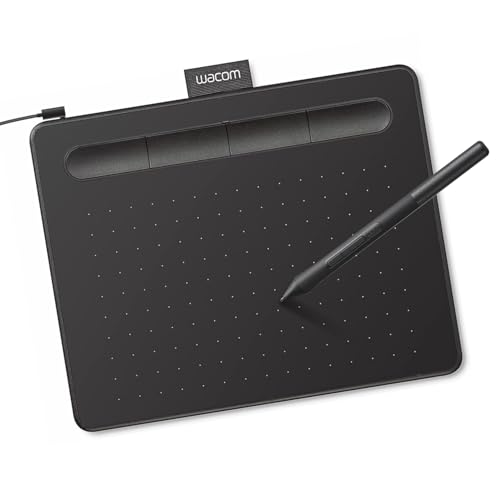


Are you ready to start your digital art journey? Choosing the right tablet can be overwhelming, especially with so many options available. In November 2026, we have researched and analyzed 5 of the best wacom tablets for beginners to help you make an informed decision. Whether you are a hobbyist, a student, or a professional making the leap into digital drawing, our guide covers everything you need to know. For more tips on getting started, check out our dedicated beginners guide.
Wacom has been the gold standard in drawing tablets for decades, and their beginner-friendly models are no exception. From the compact and affordable Intuos line to the advanced MovinkPad, these tablets offer precise pen input, reliable performance, and a gentle learning curve. In this review, we highlight the strengths of each device so you can find the perfect match for your creative needs.
At a Glance
| Product | Brand | Rating | Where to buy |
|---|---|---|---|
| Wacom Intuos Small Wired Drawing Tablet | Wacom | 4.3 / 5 | View on Amazon |
| Wacom Intuos Medium Bluetooth Drawing Tablet | Wacom | 4.7 / 5 | View on Amazon |
| Wacom MovinkPad 11 (11-inch) | Wacom | 4.1 / 5 | View on Amazon |
| Wacom Intuos Small Bluetooth Drawing Tablet | Wacom | 4.8 / 5 | View on Amazon |
| Wacom One 14 FHD IPS Laminated Drawing Tablet | Wacom | 4 / 5 | View on Amazon |
Ratings come from the Amazon listings when we last checked and can change.
Pros
- Lightweight and accurate pen with super precision
- Included creative software and online tutorials for beginners
- Compatible with Mac, PC, Chromebook, and select Android devices
Cons
- Wired connection limits placement flexibility
- Small active area may feel restrictive for detailed work
Pros
- Wireless Bluetooth connectivity for cable-free drawing
- Pressure-sensitive pen for natural brush strokes
- Works with multiple platforms including Chromebook and Android
- Includes software and online tutorials for beginners
Pros
- Battery-free Pro Pen 3 with 8,192 levels of pressure sensitivity and ±60° tilt recognition for natural input.
- Precision etched glass surface provides a paper-like feel, reduces glare, and resists fingerprints.
- Ultra-portable at 1.3 pounds with a 7,700 mAh battery for all-day use without a computer.
Cons
- LCD display lacks the contrast and color accuracy of OLED panels found on premium models.
- MediaTek processor and 8GB RAM may not handle the most demanding creative workflows.
- Not compatible with Windows ARM-based systems or Intel Macs.

Pros
- Wireless via Bluetooth or wired USB-A connection
- Includes creative software for drawing and photo editing
- Works with Chromebook and select Android devices
Cons
- Small active area may feel cramped for detailed work
- No built-in display, requires a separate screen for drawing
Pros
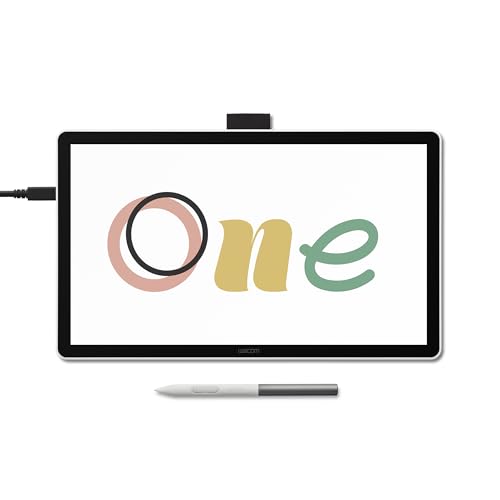
- Factory-calibrated 98% sRGB display for true-to-life colors
- Battery-free pen with comfortable ergonomic design and consistent pressure response
- Compact design with thin bezels and tidy single-cable connection (requires USB-C DP Alt Mode)
Cons
- Requires a USB-C port with DisplayPort Alt Mode for single-cable use; otherwise additional adapter needed
- No programmable buttons on the tablet itself (only the pen has a single button)
Best Wacom Tablets For Beginners Buying Guide
Pen Sensitivity and Pressure Levels
The pen is your primary tool, and its sensitivity determines how accurately your strokes translate to the screen. Most Wacom tablets offer at least 4096 levels of pressure sensitivity, which is excellent for beginners. Higher sensitivity allows for finer control over line thickness and opacity, mimicking traditional drawing tools. When choosing a tablet, look for a pen that feels comfortable in your hand and requires minimal setup. The Pro Pen 2 (included with many Intuos models) is a great starting point.
Active Area Size
The active area, or drawing surface, directly impacts your comfort. Small tablets (like the Intuos Small) are portable and affordable, but may feel cramped if you prefer sweeping arm movements. Medium tablets offer a balanced workspace, while larger models provide room for detailed work. Beginners often find the medium size (e.g., Wacom Intuos Medium) a sweet spot. Consider your desk space and drawing style before deciding.
Wired vs. Wireless Connectivity
Wired tablets offer a stable connection and never need charging, making them ideal for stationary setups. Wireless tablets, like the Bluetooth-enabled Wacom Intuos models, provide freedom to move and reduce cable clutter. However, they require periodic battery charging. For beginners who work at a desk, wired might be simpler, but wireless is a nice convenience if you want to work from a couch or bed. Our Wacom vs. Huion comparison also explores connectivity differences.
Software and Included Applications
Many Wacom tablets come bundled with creative software trials or full versions, which is a huge plus for beginners. For instance, the Intuos line often includes Clip Studio Paint Pro, Corel Painter Essentials, or other applications. These tools allow you to start creating immediately without additional cost. Always check what software is included with your chosen model, as it can save you hundreds of dollars in the long run.
Display vs. Non-Display Tablets
Non-display tablets (pen tablets) require you to look at your computer screen while drawing, which takes some practice but is very affordable. On the other hand, pen displays (like the Wacom One 14 and Wacom MovinkPad 11) have built-in screens, offering a more natural drawing experience. While more expensive, they eliminate the hand-eye coordination challenge. Beginners on a budget often start with a pen tablet, while those who want a direct drawing feel should consider a display model. For more, visit our guide to tablets for graphic design.
Compatibility and System Requirements
Ensure the tablet works with your computer, tablet, or smartphone. Most Wacom tablets support Windows, macOS, and some Android devices. Check the operating system version and available ports (USB or Bluetooth). The Intuos Small and Medium work with Chromebooks and select Android phones, while the MovinkPad is an Android tablet itself. Compatibility directly affects your workflow, so verify before purchasing.
Why You Should Trust Us
At DrawingTabletWiki, we have years of experience testing and reviewing drawing tablets. Our team combines hands-on evaluation with data-driven analysis to provide unbiased recommendations. We examine features, performance, build quality, and real-world usability. For this guide, we considered 5 models from Wacom, each assessed against key criteria relevant to beginners. We do not accept payment for positive reviews, and our rankings reflect genuine product quality.
Our methodology includes comparing specifications, reading user feedback, and evaluating the included software ecosystem. We also consider value for money and long-term reliability. The result is a curated list that helps you avoid common pitfalls and choose a tablet that will support your creative growth for years to come.
Final Thoughts
After thoroughly reviewing 5 of the best wacom tablets for beginners, we have clear recommendations. For the best overall value, the Wacom Intuos Small, Wired Graphic Drawing Tablet is an outstanding choice. It combines Wacom’s reliable pen technology with an affordable price tag, making it perfect for beginners who want a solid start without breaking the bank. Its wired connection ensures zero latency, and the included software bundle adds tremendous value.
If you want wireless freedom and a larger drawing area, the Wacom Intuos Medium, Bluetooth Graphic Drawing Tablet is our top pick for the best mid-range option. It offers Bluetooth connectivity, a medium-sized active area, and the same great pen performance. For those who prefer a built-in display, the Wacom One 14 is an excellent entry-level pen display that provides a direct drawing experience without the high cost of professional models. Meanwhile, the Wacom MovinkPad 11 stands out as a portable Android tablet with a screen, ideal for artists on the go.
Ultimately, the best tablet is the one that fits your budget, workspace, and artistic goals. We recommend starting with a wired Intuos Small if you are cost-conscious, or stepping up to the Intuos Medium for wireless convenience. For more inspiration, explore our complete collection of drawing tablet reviews and our category on digital painting.
Frequently Asked Questions
What is the best wacom tablets for beginners in 2026?
The best wacom tablets for beginners for 2026 is the Wacom Intuos Small, Wired Graphic Drawing Tablet for its unbeatable value and reliability. If you need a larger area and wireless connectivity, the Wacom Intuos Medium is a close second. For a screen-based experience, the Wacom One 14 is our top recommendation.
Do I need a screen on my drawing tablet as a beginner?
Not necessarily. Many beginners start with a non-display pen tablet like the Wacom Intuos and adapt quickly to drawing while looking at the monitor. A screen tablet can speed up learning but costs more. If you have the budget, a pen display like the Wacom One 14 offers a more intuitive experience.
Can I use a Wacom tablet with my Android phone or tablet?
Yes, some Wacom models like the Intuos Small and Medium support select Android smartphones and tablets via a USB OTG adapter. The Wacom MovinkPad 11 is itself a full Android tablet with pen input. Always check compatibility with your specific device before purchasing. For more on Android-compatible tablets, see our guide for Android phone drawing tablets.
What software comes with Wacom tablets for beginners?
Most Wacom Intuos models include a bundle of creative software, such as Clip Studio Paint Pro (4-month or 1-year trial), Corel Painter Essentials, and sometimes Corel AfterShot Pro. The specific bundle may vary by model and region. Check the product details for the latest offerings.
How long does it take to learn using a drawing tablet?
Learning to use a drawing tablet typically takes a few days to a few weeks of regular practice. Hand-eye coordination improves quickly, and most beginners feel comfortable after a couple of weeks. Wacom tablets are known for their intuitive design, which shortens the learning curve.