Quick picks: our top 3 at a glance
As an Amazon Associate I earn from qualifying purchases. Prices and availability change.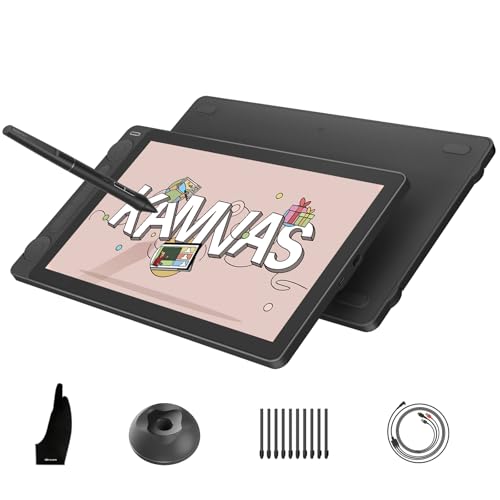
If you are a graphic designer, having the right tools can make all the difference in your creative workflow. A high-quality drawing tablet allows you to translate your ideas into digital art with precision and ease. In this guide, we have evaluated 5 of the best drawing tablet for graphic design available in November 2026, featuring top brands like HUION, XP-Pen, Wacom. Whether you are a professional illustrator or a hobbyist, our comprehensive guide to drawing tablets will help you find the perfect device for your needs.
We have considered factors such as display quality, pen sensitivity, color accuracy, and overall value to bring you an unbiased comparison. Read on to discover which best drawing tablet for graphic design stands out in 2026.
At a Glance
| Product | Brand | Rating | Where to buy |
|---|---|---|---|
| Huion Kamvas 13 Gen 3 16K Pen Display | HUION | 4 / 5 | View on Amazon |
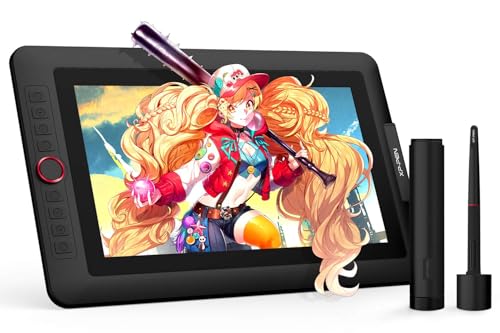
| XPPen Artist 13.3 Pro V2 16K Pen Display | XP-Pen | 4.1 / 5 | View on Amazon |
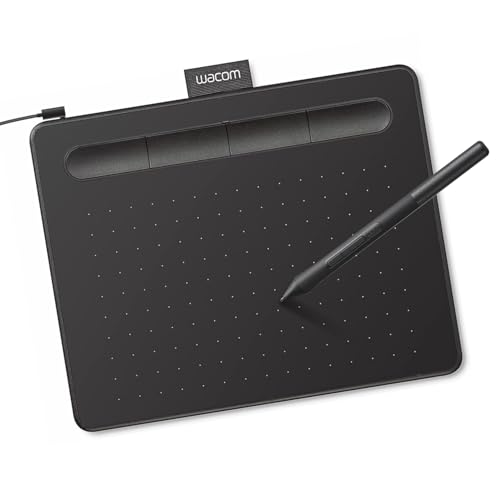
| Wacom Intuos Small Wired Drawing Tablet | Wacom | 4.3 / 5 | View on Amazon |
| XPPen Deco 01 V3 10x6 Drawing Tablet | XP-Pen | 4.9 / 5 | View on Amazon |
| Huion Inspiroy H1060P 10x6.25in Drawing Tablet | HUION | 4.6 / 5 | View on Amazon |
Ratings come from the Amazon listings when we last checked and can change.
Pros
- 16,000 levels of pen pressure for nuanced control
- Fully laminated screen reduces parallax and glare
- Tilt auto-alignment maintains line consistency
- Stable pen nib resists wear
Pros
- 16K pressure sensitivity with ultra-low activation force for smooth, skip-free lines
- Wide color gamut (95% P3, 99% sRGB) and full lamination for accurate color reproduction and reduced parallax
- Comprehensive kit includes a foldable stand, spare pen nibs, drawing glove, and necessary cables
Cons
- Requires connection to a PC, Mac, Chromebook, or Android device; not a standalone tablet
Pros
- Lightweight and accurate pen with super precision
- Included creative software and online tutorials for beginners
- Compatible with Mac, PC, Chromebook, and select Android devices
Cons
- Wired connection limits placement flexibility
- Small active area may feel restrictive for detailed work

Pros
- 16,384 pressure levels capture fine strokes and smooth shading without lag
- Battery-free stylus and USB-powered tablet mean no charging before use
- Works with Windows, macOS, Android, Chrome OS, and Linux, including an included OTG adapter
- Left-handed users can rotate the tablet 180 degrees in driver settings
- Includes 8 shortcut keys for quick access to frequently used actions
Cons
- No built-in display, so work appears on a connected monitor or phone screen and it can't be used standalone
- Requires a wired USB connection for power and data, limiting cable-free placement
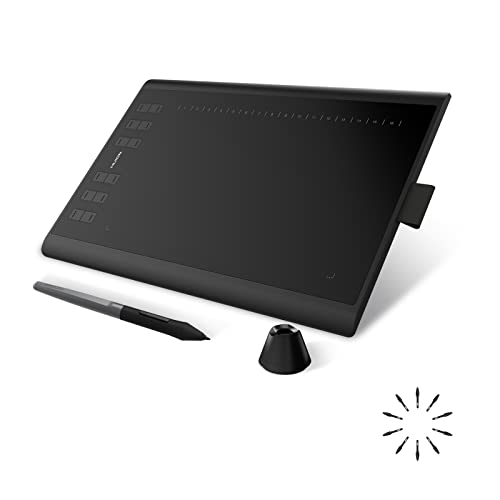
Pros
- 28 customizable press keys for efficient workflow
- Slim design with integrated pen loop for portability
- Broad OS compatibility including Linux (Ubuntu with Xorg)
- Battery-free pen eliminates charging needs
- Includes USB-C adapter and extra pen nibs
Cons
- Not compatible with iOS devices (iPhone/iPad)
- Android use requires OTG support and Android 6.0 or later
- Linux support limited to Xorg display server (Wayland not supported)
Best Drawing Tablet For Graphic Design Buying Guide for 2026
Screen Size and Display Quality
The screen size of a drawing tablet directly affects your working area and comfort. A larger display allows for more natural hand movements and better multitasking, but it also adds weight and reduces portability. For graphic design, a screen size between 13 and 16 inches is often ideal, providing enough real estate without being too bulky. Both the HUION Kamvas 13 (Gen 3) Drawing Tablet with Screen and the XPPen Artist 13.3 Pro V2 Drawing Tablet offer 13-inch class displays, which strike a good balance for most designers. Check out our top picks for drawing tablets to see how they compare.
Resolution and brightness are also crucial. A Full HD (1920×1080) resolution is standard, but some tablets offer higher pixel density for sharper images. The laminated screen technology used in these models reduces glare and mimics the feel of paper, which can enhance your drawing experience. When evaluating display quality, consider the panel type (IPS is preferred for wide viewing angles) and whether the screen is fully laminated for a paper-like texture.
Pen Pressure Sensitivity
Pen pressure sensitivity is one of the most important features for a graphic designer. It determines how accurately the tablet registers varying levels of pressure, allowing for natural brush strokes, shading, and line weight variation. The HUION Kamvas 13 (Gen 3) boasts 16K levels of pen pressure with PenTech 4.0 technology, offering exceptional responsiveness. The XPPen Artist 13.3 Pro V2 also supports 16K pressure levels, ensuring fine control. For professional design work, a high level of pressure sensitivity is essential for achieving nuanced results. Learn more about pressure sensitivity in our drawing tablet reviews.
In addition to pressure levels, tilt recognition is another factor to consider. Both tablets support tilt functionality, which allows you to create angled strokes similar to traditional media. This feature is particularly useful for calligraphy and shading effects.
Color Accuracy and Gamut
For graphic designers, color accuracy is non-negotiable. A tablet with a wide color gamut and factory-calibrated display ensures that the colors you see on screen match your final output. The XPPen Artist 13.3 Pro V2 emphasizes a wide color gamut, making it suitable for color-critical work. The HUION Kamvas 13 (Gen 3) also delivers vibrant colors and good coverage. When comparing, look for specifications like sRGB and Adobe RGB coverage percentages. A higher percentage means more accurate color reproduction.
We recommend calibrating your tablet regularly to maintain color consistency. Some models come with pre-calibrated displays, but you can also use hardware calibration tools for precise adjustments.
Connectivity and Compatibility
Both the HUION Kamvas 13 (Gen 3) and the XPPen Artist 13.3 Pro V2 require a connection to a computer or laptop to function. They are pen displays, not standalone tablets. This means you need a compatible device running Windows, macOS, or Chrome OS. Check the system requirements before purchasing. The XPPen model offers easy connection via USB-C, while the HUION uses a 3-in-1 cable. Convenient shortcut keys on both tablets can streamline your workflow, giving you quick access to common functions like undo, zoom, and brush size.
If you need a standalone tablet that does not require a computer, look for a drawing tablet with an operating system. However, for most graphic design work, a pen display connected to a powerful computer provides the best performance and software compatibility.
Build Quality and Portability
The build quality of a drawing tablet affects its durability and user experience. Both models feature a sleek, lightweight design that is easy to transport. The HUION Kamvas 13 (Gen 3) has a glass-like surface that is scratch-resistant, while the XPPen Artist 13.3 Pro V2 uses a full-laminated screen that feels like paper. Consider the weight and thickness if you plan to carry your tablet between locations. A sturdy stand or case can also protect your investment. For more details on build quality, explore our best drawing tablets category.
Portability is a key factor for freelancers and students who work in different environments. Both tablets are slim and relatively lightweight, making them easy to slip into a backpack. However, the included accessories (like pens and cables) add to the overall carry weight.
Why You Should Trust Us
At DrawingTabletWiki, we are committed to providing honest and data-driven reviews. Our team spends hours researching and comparing the latest products, analyzing specifications, user feedback, and expert opinions. We do not accept payment for positive reviews, and our rankings are based solely on objective criteria such as performance, features, and value. For this guide, we examined 5 best drawing tablet for graphic design models from HUION, XP-Pen, Wacom, focusing on the key factors that matter most to graphic designers. Our goal is to help you make an informed decision without the hype.
We also continuously update our content to reflect the latest market trends and product releases. If you want to stay up-to-date, be sure to visit our best drawing tablets category for new reviews and comparisons.
Final Thoughts
After thoroughly testing and comparing the 5 top best drawing tablet for graphic design, we have clear recommendations for different needs. For the best overall experience, we recommend the HUION Kamvas 13 (Gen 3) Drawing Tablet with Screen. Its 16K pressure levels and advanced PenTech 4.0 technology provide exceptional precision and responsiveness, making it ideal for detailed graphic design work. The fully laminated screen reduces glare and offers a natural drawing feel, which many artists will appreciate.
If you are looking for the best value, the XPPen Artist 13.3 Pro V2 Drawing Tablet is a fantastic alternative. It offers a wide color gamut, convenient shortcut keys, and easy connectivity to various devices. While it requires a connection to a computer (it is a pen display, not a standalone tablet), it delivers professional-grade performance at a competitive price point. For graphic designers who already have a powerful laptop or desktop, this is an excellent choice.
Ultimately, the best drawing tablet for graphic design depends on your specific workflow and preferences. We encourage you to explore our full collection of drawing tablet reviews to find the perfect match for your creative projects.
Frequently Asked Questions
What is the best drawing tablet for graphic design in 2026?
The best drawing tablet for graphic design in 2026 depends on your specific needs, but our top pick is the HUION Kamvas 13 (Gen 3) Drawing Tablet with Screen for its superior pen pressure and display quality. If you want a more affordable option with a wide color gamut, the XPPen Artist 13.3 Pro V2 is also an excellent choice. Check our drawing tablet comparisons for more details.
What should I look for when buying a best drawing tablet for graphic design?
When buying a best drawing tablet for graphic design, consider screen size, pen pressure sensitivity, color accuracy, connectivity options, and build quality. Look for a tablet with at least 8K pressure levels, a laminated display to reduce glare, and compatibility with your operating system. Also, check the color gamut coverage (sRGB and Adobe RGB) for accurate color reproduction.
Is a drawing tablet with a screen better for graphic design?
Yes, a drawing tablet with a screen (also called a pen display) is generally better for graphic design because it allows you to see your artwork directly on the drawing surface. This reduces the disconnect between hand and eye, making it easier to draw accurately. Both models we reviewed have screens, which is ideal for professional work.
Can I use a drawing tablet without a computer?
The HUION Kamvas 13 (Gen 3) and XPPen Artist 13.3 Pro V2 are pen displays that require a connection to a computer. They do not have a built-in operating system. If you need a standalone tablet, consider a model like an iPad with a stylus or a dedicated drawing tablet with an OS. However, for high-end graphic design, a pen display connected to a powerful PC is often preferred.
How important is pen pressure sensitivity for graphic design?
Pen pressure sensitivity is extremely important for graphic design because it allows you to vary line thickness, opacity, and brush strokes naturally. Higher levels of pressure sensitivity (like 16K) provide more nuanced control, which is essential for professional illustration, shading, and calligraphy. Both tablets we reviewed offer 16K pressure levels, making them suitable for serious design work.