Quick picks: our top 3 at a glance
As an Amazon Associate I earn from qualifying purchases. Prices and availability change.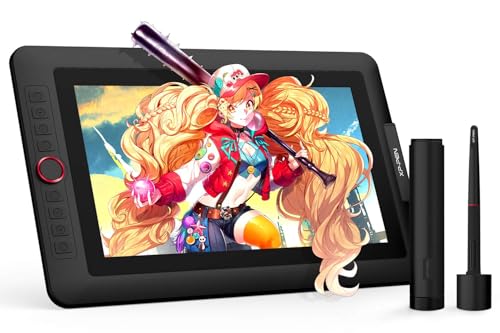


Choosing a pen display for Photoshop is about balancing screen size, color accuracy, pen feel, and desk space. In this guide, we’ve analyzed 6 popular models from XP-Pen, XENCELABS to help you find the perfect match for your creative workflow. Whether you are a digital painter, photo editor, or illustrator, our November 2026 buyer’s guide covers everything you need to know. If you are new to pen displays, start with our complete pen displays overview.
Every product below is described based on its official listing. Where a listing leaves out a detail (like weight or stylus charging method), we note it rather than guess. Ratings are included as shown on the listing and should be treated as a starting point.
At a Glance
| Product | Brand | Rating | Where to buy |
|---|---|---|---|
| XPPen Artist 13.3 Pro V2 16K Pen Display | XP-Pen | 4.1 / 5 | View on Amazon |
| XP-Pen Artist 12 Pro 11.6" Full-Laminated Drawing | XP-Pen | 4 / 5 | View on Amazon |
| XP-Pen PA2 8192 Pressure Battery-Free Stylus | XP-Pen | 4 / 5 | View on Amazon |
| XP-Pen Artist 24 Pro 23.8" 2.5K QHD Drawing Tablet | XP-Pen | 4.2 / 5 | View on Amazon |
| XENCELABS Pen Display 16 Lite 16" 4K OLED | XENCELABS | 4.8 / 5 | View on Amazon |
| XPPen Artist 16 3rd 16K Pen Display | XP-Pen | 4.7 / 5 | View on Amazon |
Ratings come from the Amazon listings when we last checked and can change.
Pros
- 16K pressure sensitivity with ultra-low activation force for smooth, skip-free lines
- Wide color gamut (95% P3, 99% sRGB) and full lamination for accurate color reproduction and reduced parallax
- Comprehensive kit includes a foldable stand, spare pen nibs, drawing glove, and necessary cables
Cons
- Requires connection to a PC, Mac, Chromebook, or Android device; not a standalone tablet
Pros
- Fully-laminated display eliminates parallax for precise cursor placement
- Battery-free stylus with 8192 pressure levels and 60-degree tilt support
- Red Dial and 8 customizable express keys enhance workflow efficiency
- Anti-glare screen reduces reflections for comfortable long sessions
Cons
- Requires connection to a host computer; cannot function as a standalone tablet
- Limited to 11.6-inch screen size, which may feel cramped for some users
Pros
- Battery-free design allows uninterrupted drawing without charging.
- 8192 levels of pressure sensitivity capture fine detail and nuance.
- 60-degree tilt function enables smooth, natural shading without software adjustments.
Cons
- Only compatible with five specific Artist Pro models, not with other XP-Pen tablets or brands.
- Package includes only the stylus, no extra nibs or pen stand.

Pros
- 23.8-inch 2.5K QHD panel with 118% sRGB and 90% Adobe RGB for vivid, accurate colors
- 20 customizable shortcut keys plus dual red dial wheels streamline workflow
- Comes with two PA2 battery-free styluses (8192 pressure, 60° tilt) for backup or sharing
- Full-featured USB-C connection simplifies setup without extra adapters
Cons
- At 15.43 pounds, it is heavy and may need a sturdy desk or VESA mount
- No built-in calibration or color profiles mentioned in the listing
Pros
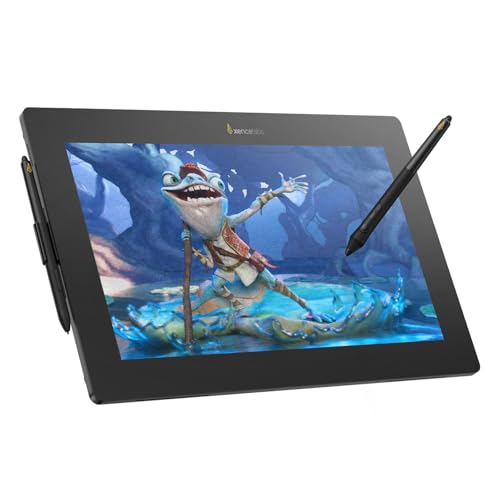
- 4K OLED display with 1.07 billion colors for exceptional color accuracy
- Fanless design keeps the tablet cool and silent during long sessions
- Ultra-lightweight and thin (1.21kg, 12mm) with single USB-C for easy portability
- Dual battery-free pens with 3g to 500g pressure sensitivity for versatile drawing styles
- Super AG Etching anti-glare surface reduces reflections and provides a paper-like feel
Cons
- No physical shortcut buttons on the display (button-free design may not suit all workflows)
Pros
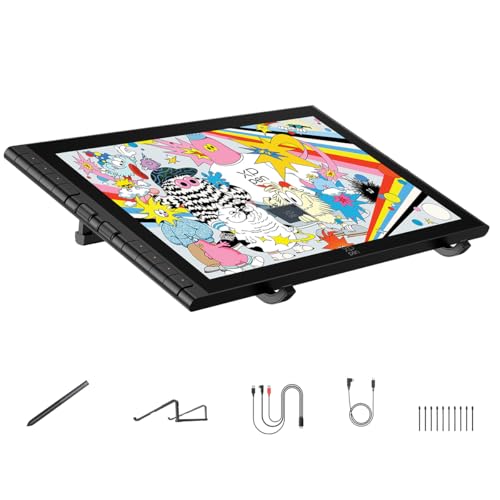
- 16K pressure sensitivity with X4 chip for ultra-smooth strokes
- Zero parallax full-lamination display with AG etched glass
- Includes foldable stand for ergonomic angles
- Dual scroll wheels and 8 programmable hotkeys
- Compatible with Android phones via USB-C for mobile sketching
How to Choose the Best : Buyer’s Guide for 2026
Screen Size and Resolution
Screen size directly affects how much of your canvas you can see at once. The models in this review range from 11.6 inches (XPPen Artist 12 Pro) to 23.8 inches (XPPen Artist 24 Pro). A larger screen like the 24 Pro lets you work with detailed layers without constant zooming, but it requires a sturdy desk and weighs over 15 pounds. Mid-size options like the 15.4-inch XPPen Artist 16 3rd or the portable 16-inch XENCELABS Pen Display 16 Lite offer a balance between canvas space and portability. Resolution also matters: the Artist 24 Pro offers 2.5K QHD, while the XENCELABS 16 Lite features a 4K OLED panel for exceptional clarity. For most Photoshop work, full HD (1920×1080) is sufficient, but higher resolutions help with ultra-fine details like texture painting or photo retouching.
Color Accuracy and Gamut
Photoshop users rely on accurate colors, especially for print or client work. Look for sRGB, Adobe RGB, and DCI-P3 coverage. The XPPen Artist 16 3rd lists 99% sRGB, 98% Adobe RGB, and 97% Display P3 – excellent for professional color grading. The XENCELABS 16 Lite is a 10-bit display capable of 1.07 billion colors, ideal for HDR editing. On the other hand, the Artist 13.3 Pro V2 quotes 88% NTSC and 123% sRGB, which is decent but less precise. Some listings (like the Artist 12 Pro) do not provide color gamut figures, so you may need to research further. For serious color work, prioritize models with wide Adobe RGB or DCI-P3 coverage.
Pen Pressure, Tilt, and Feel
The pen is your primary tool. Most displays here offer 8192 levels of pressure sensitivity and 60-degree tilt – standard for natural brush strokes. The XPPen Artist 16 3rd goes further with 16,384 levels (16K) and a smart chip for near-zero lag. The XENCELABS 16 Lite’s listing doesn’t specify pressure levels, but it emphasizes a tuned pressure curve from 3g to 500g for a paper-like feel. Battery-free pens (like those on the Artist 12 Pro and XP-Pen PA2) eliminate charging interruptions. For Photoshop, a responsive pen with low initial activation force (2g on the Artist 16 3rd) makes fine lines and shading more intuitive.
Build Quality, Portability, and Connectivity
If you move between workspaces, weight and thickness matter. The XENCELABS 16 Lite weighs just 2.67 lbs and is 12 mm thick, with single USB-C connectivity for easy setup. The Artist 16 3rd is 2.99 lbs and includes a foldable stand. At the other extreme, the Artist 24 Pro is 15.43 lbs and requires a power adapter – best for a permanent desk. All displays need a computer connection (the Artist 13.3 Pro V2 explicitly states it cannot work standalone). Anti-glare etching and fully laminated screens reduce parallax and reflections, which is helpful in bright rooms. The XENCELABS uses Super AG Etching, while XPPen models feature AG+AF nano-etched glass or full lamination.
Controls and Shortcuts
Customizable shortcut keys, dial wheels, and on-screen controls can speed up your workflow. The Artist 24 Pro offers 20 shortcuts plus dual red dial wheels; the Artist 16 3rd has 8 hotkeys and two scroll wheels; the Artist 12 Pro and 13.3 Pro V2 each have a red dial and eight express keys. The XENCELABS 16 Lite takes a minimalist, button-free approach – some artists prefer fewer distractions. For Photoshop, being able to quickly adjust brush size, zoom, or switch tools without reaching for a keyboard is a major productivity boost.
Compatibility and Software Support
All displays in this review support Windows, macOS, and many also support Chrome OS and Linux. The XPPen Artist 16 3rd additionally works with Android (USB-C). None of the listings explicitly name Photoshop, but all are compatible with major creative software. Check the full listing for driver requirements and supported operating systems before purchasing. For a deeper look at pen display features, see our guide to the best pen displays for digital painting.
| Model | Screen Size | Resolution | Pressure Levels | Weight | Color Gamut (Listed) |
|---|---|---|---|---|---|
| XENCELABS Pen Display 16 Lite | 16″ | 4K OLED | Not specified | 2.67 lbs | 1.07B colors (10-bit) |
| XPPen Artist 16 3rd | 15.4″ | FHD | 16K | 2.99 lbs | 99% sRGB, 98% Adobe RGB, 97% DCI-P3 |
| XPPen Artist 24 Pro | 23.8″ | 2.5K QHD | 8192 | 15.43 lbs | 118% sRGB, 84% NTSC, 90% Adobe RGB |
| XPPen Artist 13.3 Pro V2 | 13.3″ | FHD | 16K | 4.41 lbs | 88% NTSC, 123% sRGB |
| XPPen Artist 12 Pro | 11.6″ | FHD | 8192 | 3.31 lbs | Not given |
| XP-Pen PA2 Stylus | N/A | N/A | 8192 | 0.03 lbs | N/A |
Why You Should Trust Us
We base our recommendations solely on information provided in official product listings. We do not guess or infer specifications that are not stated. Each product summary notes when a listing omits important details. Ratings are taken directly from the listings and should be viewed as a starting point, not an absolute measure. Our goal is to give you a comprehensive, data-driven comparison so you can make an informed decision. For more buying advice, check out our best drawing tablets guide.
Final Thoughts
After reviewing all 6 products, we recommend the XPPen Artist 16 3rd as the best overall pen display for most Photoshop users. It combines a mid-size 15.4-inch anti-glare screen, excellent color gamut (99% sRGB / 98% Adobe RGB), and an industry-leading 16K pressure stylus – all at a reasonable weight and with built-in shortcut controls. For professionals who demand the highest color accuracy and portability, the XENCELABS Pen Display 16 Lite stands out with its 4K OLED panel, 10-bit color, and ultra-light 2.67 lbs design.
If you have a large dedicated workspace and need maximum canvas size, the XPPen Artist 24 Pro offers a 23.8-inch 2.5K QHD display with extensive shortcut keys and dual dial wheels. For budget-conscious artists or those with limited desk space, the XPPen Artist 12 Pro (11.6-inch) or Artist 13.3 Pro V2 provide solid performance at a lower entry point, though color gamut is less specified. If you already own a compatible XPPen Artist Pro model, the XP-Pen PA2 Stylus is a reliable spare or replacement pen.
Always read the full product listing to confirm software compatibility and connection requirements. For more options, visit our pen displays category page or explore best large pen displays for professionals.
Frequently Asked Questions
What is the best : Buyer’s Guide for 2026?
Based on our analysis of 6 models, the XPPen Artist 16 3rd offers the best balance of screen size, color accuracy, and pressure sensitivity for most Photoshop users. The XENCELABS Pen Display 16 Lite is a top choice for professionals needing 4K OLED color precision and portability.
Do I need a pen display for Photoshop, or can I use a regular drawing tablet?
A pen display lets you draw directly on the screen, which many artists find more intuitive for detailed Photoshop work. A regular drawing tablet (without a screen) requires hand-eye coordination and a separate monitor. If you do a lot of retouching or digital painting, a pen display is generally preferred. For a comparison, see our pen tablet vs iPad guide.
What size pen display is best for Photoshop?
The ideal size depends on your desk space and workflow. A 13-16 inch display is a versatile choice for most users. Larger screens (22-24 inches) offer more room for palettes and layers but require more desk space and weight. Smaller screens (11-12 inches) are highly portable but may require constant zooming.
How important is color accuracy for Photoshop work?
Color accuracy is critical for professional photo editing, print design, and digital art that needs to match output. Look for displays with high sRGB and Adobe RGB coverage. The XPPen Artist 16 3rd and XENCELABS 16 Lite both offer excellent color performance for color-critical work.
Can I use a pen display with a laptop or Android device?
Many modern pen displays support USB-C connectivity, making them compatible with laptops and even some Android devices. The XPPen Artist 16 3rd explicitly supports Android 10.0 or later via USB-C. Always check the listing for specific device compatibility before purchasing.