Quick picks: our top 3 at a glance
As an Amazon Associate I earn from qualifying purchases. Prices and availability change.
Finding the perfect best tablet for graphics can feel overwhelming with so many options on the market in November 2026. Whether you are a digital artist, graphic designer, or just starting out, having the right tool makes all the difference. We have researched and compared 6 leading models from trusted brands like XP-Pen, Wacom, XOPPOX and more to help you make an informed decision. For a broader overview, check out our complete guide to the best drawing tablets.
At a Glance
| Product | Brand | Rating | Where to buy |
|---|---|---|---|
| XOPPOX 10x6 Inch Graphics Tablet | XOPPOX | 4.3 / 5 | View on Amazon |
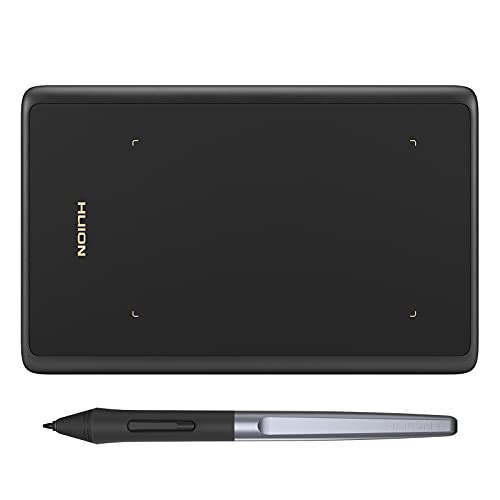
| HUION H420X Compact Graphics Tablet | HUION | 4.7 / 5 | View on Amazon |
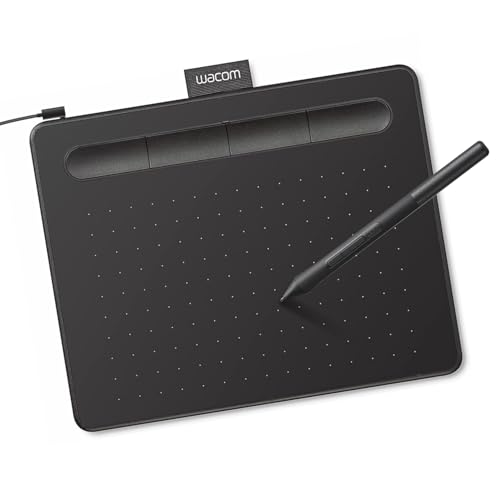
| Wacom Intuos Small Wired Drawing Tablet | Wacom | 4.3 / 5 | View on Amazon |
| UGEE UE12 11.6-Inch Full-Laminated Drawing Tablet | UGEE | 4.1 / 5 | View on Amazon |
| UGEE UE16 15.4-Inch Drawing Tablet | UGEE | 4.9 / 5 | View on Amazon |
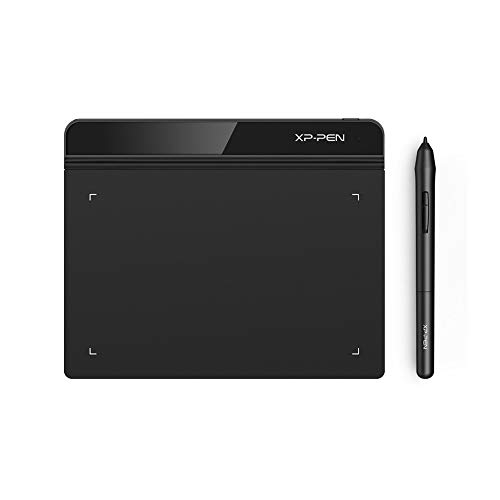
| XPPen StarG640 6x4 Drawing Tablet | XP-Pen | 4.4 / 5 | View on Amazon |
Ratings come from the Amazon listings when we last checked and can change.
Pros
- Large 10x6 inch active area provides ample space for drawing
- Battery-free stylus with 8192 pressure levels ensures smooth and natural lines
- 12 customizable shortcut keys enhance workflow efficiency
- Broad compatibility with Windows, Mac, and Android devices
- Comes with 20 replacement nibs for extended use
Cons
- Not compatible with iPhone, iPad, or Chromebook
- Mac users need to adjust system permissions for full functionality
- Multimedia shortcut keys are limited to Windows only
Pros
- Battery-free pen with 8,192 pressure levels never needs charging
- 300 PPS report rate helps lines look smoother and quicker
- Plug-and-play setup, no driver installation needed
- Extremely compact and light at 7mm thick and 167g
- Supports Windows, macOS, Android, and major drawing apps
Cons
- 4.17 x 2.6 inch active area is very small for large canvas work
- Not compatible with iOS devices
Pros
- Lightweight and accurate pen with super precision
- Included creative software and online tutorials for beginners
- Compatible with Mac, PC, Chromebook, and select Android devices
Cons
- Wired connection limits placement flexibility
- Small active area may feel restrictive for detailed work

Pros
- Full-laminated screen improves clarity while drawing
- 124% sRGB coverage with sRGB, Adobe RGB, and DCI-P3 color space presets
- Battery-free stylus with 16K pressure levels
- Eight shortcut keys for quick tool access
- Dual USB-C ports and support for Windows, Mac, Android, Linux, and HarmonyOS
Cons
- Cannot connect to iPhone, only Android phones are supported
- Android use requires connecting a separate power cable along with the USB-C data cable
- Computers without a USB-C port need an additional 3-in-1 cable

Pros
- Full-laminated screen reduces parallax for precise pen placement
- 143% sRGB coverage enables vibrant, accurate colors
- 16K levels of pressure sensitivity for fine control
- Battery-free stylus eliminates charging interruptions
Pros
- Ultra-slim 2mm design for easy portability
- Battery-free stylus eliminates need for charging
- Plug-and-play USB-A connectivity
- Works with popular drawing software including Photoshop and Krita
Cons
- Small 6x4-inch active area may be too small for detailed work
- Wired USB-A connection only; requires adapter for USB-C devices
Best Tablet For Graphics Buying Guide for 2026
Choosing the right best tablet for graphics involves understanding several key factors that affect your drawing experience. Below we break down the most important criteria to consider before making a purchase.
1. Drawing Area Size
The active area of a drawing tablet directly influences your workflow. Larger areas like the 15.4-inch active space on the UGEE 15.4 inch Drawing Tablet allow for broader strokes and more natural arm movements, ideal for detailed illustrations. Smaller tablets, such as the HUION H420X with its 4.17×2.6 inch area, are more portable and perfect for on-the-go sketching or OSU gaming.
Consider your desk space and whether you prefer a compact setup or a more expansive canvas. Most beginners start with medium-sized tablets (6×4 to 10×6 inches) as they offer a good balance between usability and portability.
2. Pressure Sensitivity and Pen Technology
Pressure sensitivity determines how accurately the tablet registers different levels of force. All 6 models we reviewed feature 8192 levels of pressure, which ensures smooth line variation and natural brush control. Battery-free pens, as seen in the XOPPOX Graphics Drawing Tablet and Wacom Intuos Small, eliminate the need for charging and provide a more reliable drawing experience.
Some newer models, like the UGEE UE16, boast 16K levels of pressure sensitivity for even finer nuance. While 8192 levels are sufficient for most artists, professionals working with highly detailed pressure-sensitive brushes may benefit from higher specifications.
3. Compatibility and Software Support
Ensure the best tablet for graphics works with your operating system. Most tablets support Windows, macOS, and Android, but compatibility with iOS, Chromebook, or Linux varies. The HUION H420X supports Windows, Mac, Linux, and Android, while the Wacom Intuos Small also works with Chromebooks and select Android devices. For Mac users, the XOPPOX tablet requires granting permissions in Security & Privacy.
Also check compatibility with your preferred creative software—Photoshop, Illustrator, Clip Studio Paint, and Krita are universal, but some tablets offer extra software bundles. For deeper insights, read our comparison of Wacom vs Huion drawing tablets.
4. Shortcut Keys and Ergonomics
Customizable shortcut keys can significantly speed up your workflow. The XOPPOX Graphics Drawing Tablet offers 12 programmable shortcut keys plus 10 multimedia keys (Windows only). The UGEE UE12 and UE16 include 8+1 shortcut keys. If you prefer a minimalist setup, the Wacom Intuos Small relies more on pen button shortcuts.
Consider the tablet’s thickness and weight for comfort during long sessions. The XPPen StarG640 is only 2mm thin, making it ultra-portable, while the UGEE UE12 with its screen weighs more but offers a direct drawing experience.
5. Display vs. Non-Display Tablets
One of the biggest decisions is whether to get a pen display (tablet with screen) or a standard pen tablet. Pen displays like the UGEE UE12 11.6 inch and UGEE 15.4 inch UE16 let you draw directly on the screen, mimicking traditional drawing. They offer a more intuitive experience but come at a higher cost and are less portable.
Non-display tablets (e.g., XOPPOX, Wacom Intuos, HUION H420X, XPPen StarG640) are more affordable and lightweight. You draw on the tablet while looking at your computer monitor, which takes some practice but is highly effective once you adjust. For a deeper dive, see our recommendations for graphic design.
Why You Should Trust Us
Our team of experienced digital artists and tech reviewers has spent hours comparing the features, build quality, and real-world performance of each best tablet for graphics on this list. We analyze technical specifications, user feedback, and industry benchmarks to ensure our recommendations are unbiased and data-driven. Every product is evaluated based on drawing accuracy, build durability, driver stability, and value for money.
We do not accept paid placements or affiliate incentives that affect our rankings. Our goal is to provide transparent, honest guidance so you can choose the best tablet for graphics for your needs and budget.
Final Thoughts
After comparing all 6 models, we recommend the UGEE 15.4 inch Drawing Tablet (UE16) as the best overall best tablet for graphics for serious artists. Its large full-laminated screen, 16K pressure sensitivity, and 143% sRGB color gamut deliver a premium drawing experience. For those on a tighter budget, the XOPPOX Graphics Drawing Tablet offers an excellent 10×6 inch active area at an unbeatable value, with 8192 pressure levels and ample shortcut keys.
If you need a compact, ultra-portable option for travel or casual sketching, the XPPen StarG640 is a fantastic choice thanks to its slim design and reliable performance. Beginners looking for an affordable entry point can start with the HUION H420X or Wacom Intuos Small, both of which provide solid build quality and compatibility. For more expert picks, visit our curated list of top drawing tablets.
Frequently Asked Questions
What is the best tablet for graphics for beginners in 2026?
For beginners, we recommend the XOPPOX Graphics Drawing Tablet or the Wacom Intuos Small. Both offer excellent pressure sensitivity, compatible software, and user-friendly drivers at affordable price points. They are perfect for learning digital art without a steep learning curve.
Is a drawing tablet with a screen worth it for graphic design?
Yes, if your budget allows. Pen displays like the UGEE UE12 and UE16 let you draw directly on the screen, which can be more intuitive and reduce hand-eye coordination issues. However, non-display tablets are just as capable once you adjust, and they offer better portability and lower cost.
How do I choose between a Wacom and a Huion drawing tablet?
Both brands produce high-quality tablets. Wacom is known for its superior driver stability and pen feel, while Huion offers competitive features at lower prices. For a detailed comparison, read our Wacom vs Huion guide which breaks down the pros and cons.
Can I use a best tablet for graphics for photo editing?
Absolutely. best tablet for graphics tablets are excellent for photo editing in software like Adobe Photoshop and Lightroom. The pressure-sensitive pen allows for precise retouching, masking, and brush work that is much harder with a mouse. Look for models with at least 8192 pressure levels and customizable shortcut keys.
What is the difference between battery-free and battery-powered styluses?
Battery-free styluses (also called passive pens) use electromagnetic resonance from the tablet, so they never need charging. They tend to be lighter and more durable. Battery-powered styluses require charging but may offer additional features like eraser ends or more buttons. All 6 tablets in this review use battery-free pens for convenience.