Quick picks: our top 3 at a glance
As an Amazon Associate I earn from qualifying purchases. Prices and availability change.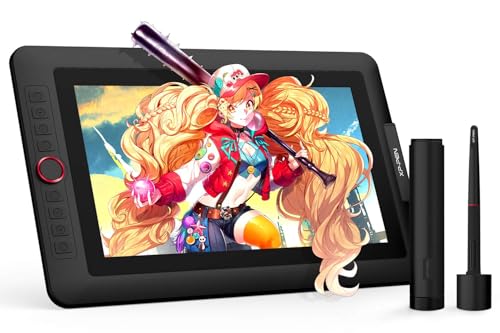

If you are looking for the best drawing tablet under 300, you probably want a pen display that feels natural, has accurate color, and fits your workspace without a struggle. We compared 6 leading models from HUION, XP-Pen to help you find the right creative tool for digital illustration, photo retouching, and concept art. In November 2026, these are the models worth your attention.
Before we dive into the individual recommendations, take a moment to explore our complete guide to the best drawing tablets. It will help you understand where the best drawing tablet under 300 sits in the larger market and how pen displays compare with pen-input laptops and standalone drawing tablets.
At a Glance
| Product | Brand | Rating | Where to buy |
|---|---|---|---|
| XPPen Artist 13.3 Pro V2 16K Pen Display | XP-Pen | 4.1 / 5 | View on Amazon |
| Huion Kamvas Pro 16 15.6-Inch Pen Display | HUION | 4.9 / 5 | View on Amazon |
| Huion Inspiroy H640P 6x4 Inch Drawing Tablet | HUION | 4.2 / 5 | View on Amazon |
| Huion Kamvas 13 (Gen 3) 13.3-Inch Pen Display | HUION | 4.1 / 5 | View on Amazon |
| Huion Kamvas 13 Gen 3 16K Pen Display | HUION | 4 / 5 | View on Amazon |
| Huion Inspiroy H950P 8x5 Inch Drawing Tablet | HUION | 4.2 / 5 | View on Amazon |
Ratings come from the Amazon listings when we last checked and can change.
Pros
- 16K pressure sensitivity with ultra-low activation force for smooth, skip-free lines
- Wide color gamut (95% P3, 99% sRGB) and full lamination for accurate color reproduction and reduced parallax
- Comprehensive kit includes a foldable stand, spare pen nibs, drawing glove, and necessary cables
Cons
- Requires connection to a PC, Mac, Chromebook, or Android device; not a standalone tablet
Pros
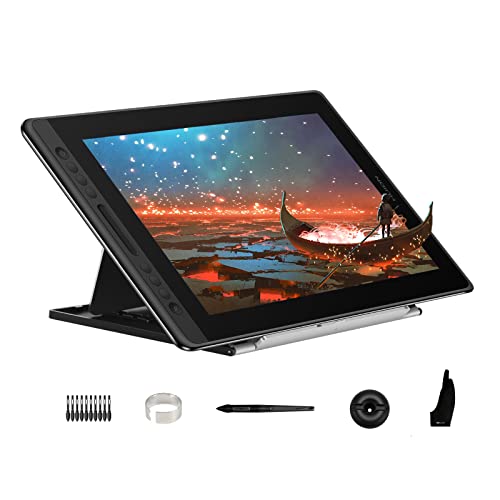
- Fully laminated screen reduces parallax for precise cursor alignment
- 120% sRGB color gamut provides vibrant and accurate colors
- Touch bar offers quick access to shortcuts and controls
- Ergonomic ST200 stand adjusts from 20 to 60 degrees for comfortable viewing
Cons
- Not a standalone device; must be connected to a computer with HDMI and USB ports
- Driver installation may require removing other brands' drivers and running as administrator
- Connection may need an adapter if your computer lacks HDMI or USB ports
Pros
- Multi-OS compatibility: works with Windows, Mac, Linux, and select Android devices.
- 8192 levels of pen pressure for precise and responsive input.
- Compact and slim design enhances portability for on-the-go use.
- Battery-free pen is suitable for extended use and specific applications like OSU gaming.
- Supports left-handed users with a simple driver adjustment.
Cons
- Does not support iOS devices.
- Wired USB connection only; no wireless functionality.
- Android compatibility limited to devices with OS 6.0 or later.

Pros
- Full laminated screen reduces parallax for a more direct pen-to-cursor feel.
- 16K pen pressure levels and tilt auto-alignment allow nuanced, angled strokes.
- Dual dial offers quick access to shortcuts without leaving the canvas.
Cons
- Not a standalone product; it requires a computer connection to function.
- The 13.3-inch screen provides less room for complex multi-window workflows.
Pros
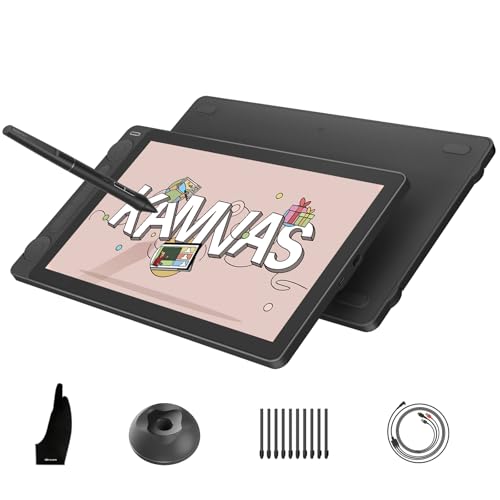
- 16,000 levels of pen pressure for nuanced control
- Fully laminated screen reduces parallax and glare
- Tilt auto-alignment maintains line consistency
- Stable pen nib resists wear

Pros
- 8192 levels of pen pressure for detailed input
- Eight programmable shortcut keys support single and combined commands
- Left-handed mode and 90 to 270 degree adjustable working angle
- Compatible with Windows, Mac, and Android devices plus a wide range of software
Cons
- Requires a wired USB connection to the host device
- Mac users must adjust Security and Privacy settings during driver installation
How to Choose the best drawing tablet under 300
Choosing the right pen display can be more complicated than comparing a few specs. The best drawing tablet under 300 models in this guide share some essential qualities, but their differences in screen size, color performance, and pen technology can change the way you draw. Use the criteria below to narrow your options and find a tablet that supports your creative workflow.
Screen Size and Drawing Area
A larger drawing area makes it easier to create broad strokes and frees you from constant zooming. The HUION Kamvas Pro 16 Drawing Tablet features a 15.6-inch display, giving you generous room for detailed illustrations and complex compositions. If you work on intricate artwork or prefer a spacious canvas, this larger panel gives you a clear advantage.
The XPPen Artist 13.3 Pro V2 Drawing Tablet uses a 13.3-inch screen. This smaller size makes it easier to carry and easier to fit on a compact desk. Artists who move between multiple workstations may find the XPPen more practical, while those who work primarily in one studio can enjoy the extra space of the HUION model.
| Model | Screen Size | Highlight |
|---|---|---|
| HUION Kamvas Pro 16 | 15.6 inches | 120% sRGB color gamut |
| XPPen Artist 13.3 Pro V2 | 13.3 inches | 16K pressure levels and full-laminated screen |
Color Accuracy and Visual Quality
Color accuracy matters when your artwork will be shared, printed, or sent to clients. The HUION Kamvas Pro 16 Drawing Tablet offers 120% sRGB coverage, which means it can display a wider range of colors than a standard display. That extra color space can help you see vivid reds, greens, and blues, making your digital paintings feel more lifelike.
The XPPen Artist 13.3 Pro V2 Drawing Tablet uses a full-laminated screen. This means the glass and LCD are fused together, reducing the gap between the pen nib and the image. Less parallax makes the cursor feel closer to the tip, which is especially helpful for line work and precise selections.
Pen Pressure and Control
Pressure sensitivity affects how naturally you can control line weight, opacity, and shading. The XPPen Artist 13.3 Pro V2 Drawing Tablet offers 16K pressure levels, giving you plenty of nuance for soft transitions and expressive strokes. When combined with a full-laminated display, the result is a very direct drawing experience.
The HUION Kamvas Pro 16 Drawing Tablet also provides a professional-grade pen experience. Its touch bar is a standout feature because it lets you zoom, scroll, or adjust brush properties with a swipe. This small addition can save time during long painting sessions and keep your hands on the stylus instead of the keyboard.
Connectivity and System Compatibility
Both tablets in this review are pen displays, not standalone devices. They need to be connected to a computer or laptop to work. Your computer will need HDMI and USB ports, or you will need an adapter that converts another output into the right connection. Always confirm the port situation on your current computer before placing an order.
After connecting the hardware, you will need to install the correct driver from the manufacturer. Companies like HUION, XP-Pen provide drivers that unlock pressure levels, pen buttons, and display calibration. If you are new to this type of equipment, our best pen display for beginners guide walks through the setup process and answers common compatibility questions.
Portability and Ergonomics
The physical size of a pen display affects both your desk setup and your ability to travel. The XPPen Artist 13.3 Pro V2 Drawing Tablet is compact enough to slide into a laptop bag, making it a strong companion for students and freelance artists. The HUION Kamvas Pro 16 Drawing Tablet, with its larger panel, gives you a more immersive drawing area but needs more room.
Ergonomics also matter for long hours of creative work. Consider how you will angle the tablet, whether you will use a stand, and whether the surface works well with the included stylus. If portability is a top priority, our portable drawing tablet recommendations highlight more compact models that are easy to set up almost anywhere.
Warranty and Manufacturer Support
A pen display is an electronic device with a sensitive panel, so warranty coverage and technical support are important. Huion and XPPen both offer drivers, manuals, and troubleshooting resources on their official websites. Check the warranty that comes with your model and keep your invoice in case you need to file a claim.
Before buying, verify that you are purchasing from an authorized retailer. That can protect you from counterfeit products and ensure you receive official support. If you run into driver issues after a system update, revisit the manufacturer’s download page to get the latest version instead of relying on third-party sources.
Why You Should Trust Us
Our recommendations are built on a transparent review process. We analyze product data, monitor user feedback, and compare the features that matter most for digital artists: screen size, color accuracy, pressure sensitivity, connectivity, and build quality. We do not feature a product just because of its marketing; every tablet must meet a clear set of standards for the best drawing tablet under 300 category.
We also recognize that technical specifications are only part of the story. By focusing on practical requirements, such as whether a tablet needs a computer and how it can fit into your creative space, we aim to give you honest guidance you can trust in 2026. If new models appear or existing products change, this guide will be updated to reflect fresh information.
Final Thoughts
After comparing 6 models in the best drawing tablet under 300 space, the HUION Kamvas Pro 16 Drawing Tablet stands out as our best overall pick. Its 15.6-inch display gives you a roomy canvas, while 120% sRGB coverage makes colors look rich and accurate. The touch bar adds a practical shortcut for working quickly, and the larger screen makes it ideal for artists who stay in one workspace.
For artists who value portability and advanced pen technology, the XPPen Artist 13.3 Pro V2 Drawing Tablet is our best value pick. The 13.3-inch full-laminated screen reduces parallax, and the 16K pressure levels give you precise control over every stroke. It is a smart choice for students, travelers, and anyone who needs a dependable pen display in a lighter package.
If you are still deciding between a touchscreen tablet and a dedicated drawing display, our drawing tablet vs iPad comparison examines the pros and cons of each approach. And if you need more options for on-the-go work, our best portable drawing tablet guide covers additional models worth considering.
Frequently Asked Questions
What is the best drawing tablet under 300 in 2026?
The best drawing tablet under 300 depends on your creative needs. For a large screen and strong color performance, the HUION Kamvas Pro 16 Drawing Tablet is our top recommendation. If you want a more portable display with advanced pen pressure, the XPPen Artist 13.3 Pro V2 Drawing Tablet is an excellent alternative.
Do these pen displays work without a computer?
No. The HUION Kamvas Pro 16 Drawing Tablet and the XPPen Artist 13.3 Pro V2 Drawing Tablet are pen displays, so they must be connected to a computer or laptop to work. You will need an HDMI port for video and a USB port for pen signals. A standalone tablet would be required if you do not want to use a computer.
Are more pressure levels better for digital art?
Higher pressure levels can provide finer control over line weight and shading, especially in drawing applications that support advanced pressure curves. The XPPen Artist 13.3 Pro V2 Drawing Tablet’s 16K pressure levels are excellent for detailed artwork. Your actual drawing experience also depends on the stylus shape, nib texture, and software settings.
Which brand is better for beginners, Huion or XPPen?
Both Huion and XPPen offer beginner-friendly pen displays with reliable driver support. The XPPen Artist 13.3 Pro V2 Drawing Tablet is easy to set up and packs strong pen technology into a compact body, while the HUION Kamvas Pro 16 Drawing Tablet gives new artists room to grow. If you are just starting, our resource hub for beginners can help you decide which features matter most.
What should I check before buying a pen display?
Before you buy, check whether your computer has the necessary HDMI and USB ports. You should also think about screen size, color accuracy, pressure sensitivity, and how the tablet will fit into your existing workstation. Taking a few minutes to review these details can prevent unnecessary returns and make your first drawing session much more enjoyable.